
HVAC Installation in Camden, NJ
A new system here will heat from October through April and cool from June through September every year. Tell us about the house, and a licensed contractor who covers Camden County will get in touch.
Tell us about the job
It takes about a minute.
A system that has to work almost all year
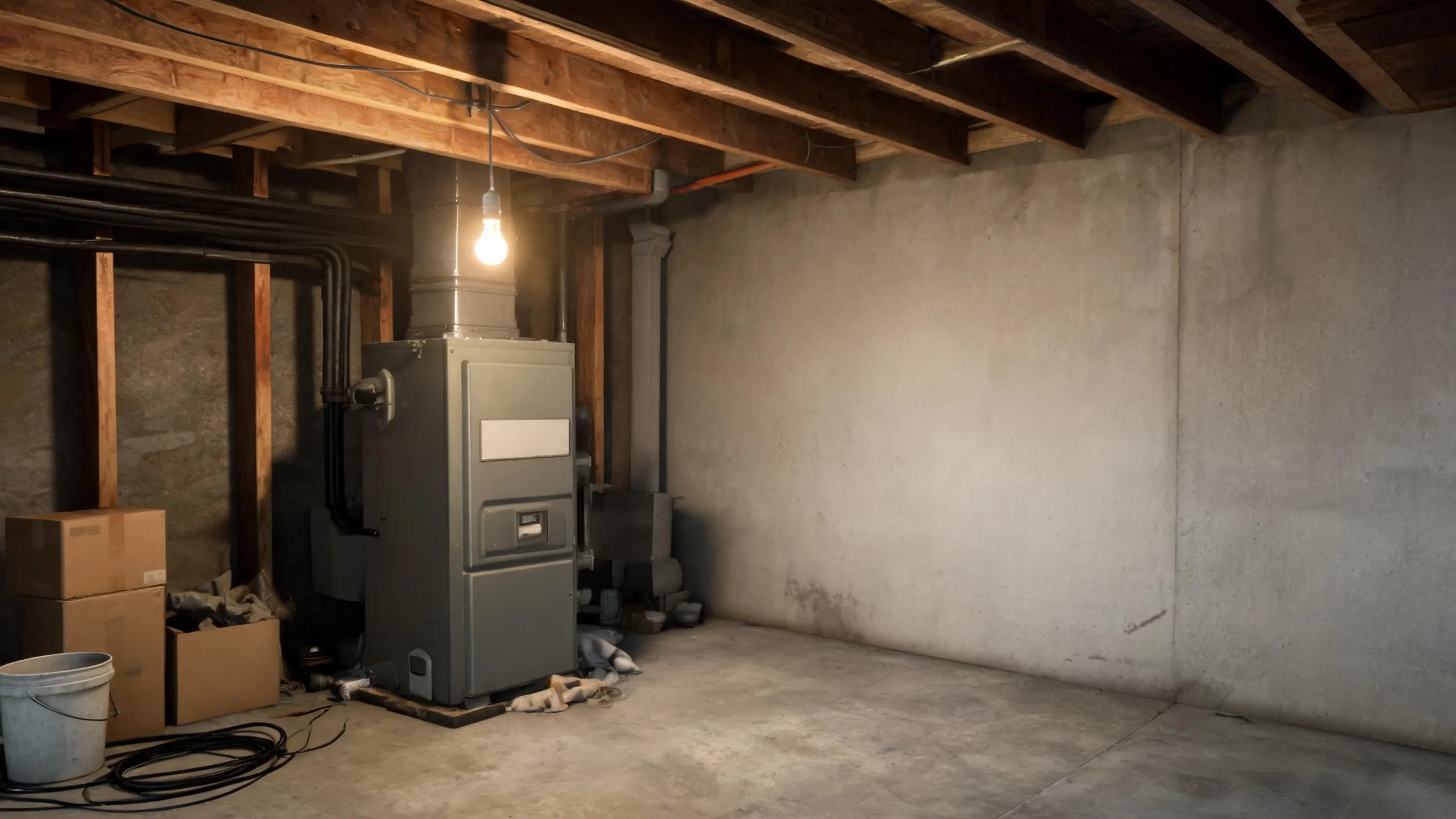
Camden County only gives your equipment about one month off. Heat runs October through April, seven months, then cooling picks up June through September. That's 11 months of the year with a furnace or an AC unit doing real work, and a new system installed here needs to hold up to that schedule from day one.
Winter nights average 27°F, cold enough that a furnace is cycling on and off for hours at a stretch. Summer afternoons average 85°F, and the AC side needs to keep pace with that heat all summer. Most homes here heat with gas, so sizing the furnace and the AC to match your house, not just to match the old equipment, is what makes both seasons livable. Storms are part of the picture too. This area has seen 15 winter storms and 225 damaging wind events over the past ten years, and 11% of New Jersey households lost power for at least a day in 2024. Whatever gets installed should be able to start back up on its own once the power does.
- 7 months
- October through April, your system heats
- 4 months
- June through September, it cools
- 27°F
- the average winter night it heats against
- 85°F
- the average summer afternoon it cools against
NOAA nClimDiv, 1991–2020 normals
New Jersey requires HVAC contractors to hold a state license.
The state board tests contractors before they get that license and keeps a record of who holds one, so the license travels with the contractor, not with any one job. New Jersey does not let a city or town set its own separate HVAC license, so a contractor's license means the same thing in Camden County as it does anywhere else in the state.
For a heating and cooling system installation, that license is what stands behind the person doing the work. It is not the only check on this job. In most cities and counties, a job like this also needs a permit from the local building office, with an inspection once the work is done. That inspection is separate from the license. It is the point where someone looks at the equipment actually installed in the house and confirms it was done correctly.
Sources: New Jersey Legislature · New Jersey Division of Consumer Affairs
- When should I replace my HVAC system?
- Look at the age of the equipment first. A furnace or air conditioner in the ten to fifteen year range is worth watching closely, and if it needs a repair in that stretch, that repair is a signal, not just a fix. Homes here run their heat from October through April, seven months a year, so a furnace working that hard shows wear early. If yours is breaking down more than once a season, or the repair bill is climbing each time, replacing it before it fails on a 27°F night is the safer bet.
- Should I replace my furnace and air conditioner at the same time?
- If both are old, yes, and here is why. A furnace and air conditioner installed together are matched to work as one system, and pairing a new one with an aging one often means the older unit becomes the weak link within a year or two. Most homes here need both, heat from October through April and cooling from June through September, so neither one sits idle long enough to ignore. If only one has actually failed, a contractor can tell you whether the other is close enough behind to make sense replacing now.
- What happens during an HVAC installation?
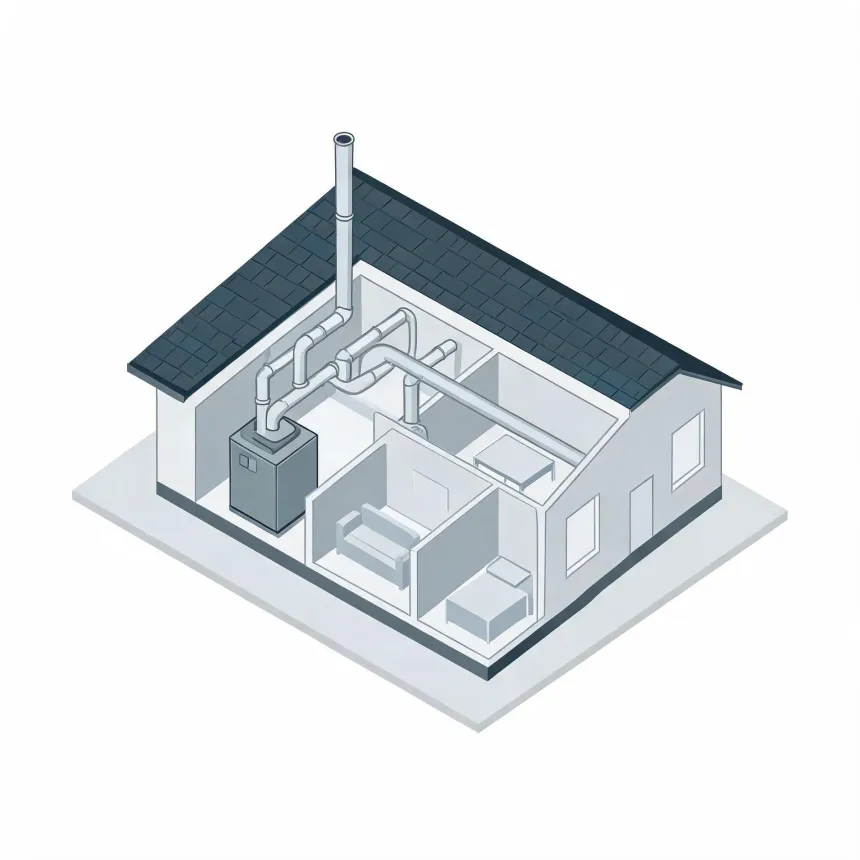
- A contractor removes the old furnace and air conditioner, or heat pump, and sets the new equipment in place, then connects it to the existing ducts, gas line or electrical circuits and the refrigerant lines between the indoor and outdoor units. They test the system to make sure it heats, cools, and cycles the way it should. In most cities and counties this work needs a permit from the local building office and an inspection once it is done, so the contractor handling your install should be pulling that permit as part of the job.