
HVAC Installation in Salem, NJ
A new system here will heat from October through April and cool from June through September every year. Tell us about the house, and a licensed contractor who covers Salem County will get in touch.
Tell us about the job
It takes about a minute.
Salem County asks a lot of a new system
A new furnace here will run from October through April, seven months of the year, with winter nights averaging 28°F. That's a long stretch of cold nights for the burner to cycle through, and the system you install needs to be sized and set up right from the start so it isn't struggling through all of them.
Summer asks less of the system in raw months, June through September, but afternoons averaging 85°F still put real load on the compressor. Between the two seasons, homes here need heat or cooling 11 months out of 12. Almost half the homes in this area heat with gas, and whatever fuel yours uses, a new installation has to meet the federal minimum efficiency standard in place today, not the one your old system was built to.
- 7 months
- October through April, your system heats
- 4 months
- June through September, it cools
- 28°F
- the average winter night it heats against
- 85°F
- the average summer afternoon it cools against
NOAA nClimDiv, 1991–2020 normals
New Jersey requires HVAC contractors to hold a state license.
The state board tests contractors before it licenses them, and the license belongs to the contractor, not to any single job. Salem County and its towns cannot layer on their own HVAC license on top of that, so the same state license applies to a contractor working here as anywhere else in New Jersey.
For an installation, that license is what stands behind the person doing the work. In most cities and counties, the job itself still needs a permit from the local building office, and the finished work gets inspected before it is signed off.
Sources: New Jersey Legislature · New Jersey Division of Consumer Affairs
- When should I replace my HVAC system?
- Replace it when repairs start coming often, when the unit is old, or when it can no longer keep the house comfortable on the coldest or hottest days. Salem homes run heat from October through April, so a furnace that struggles in that stretch is worth replacing before it fails outright. An aging system that quits during a cold snap leaves you without heat until someone can get out to fix it, and a new system installed on your schedule beats one installed in an emergency.
- Should I replace my furnace and air conditioner at the same time?
- If both are old, replacing them together is often the better plan, though it is not required. A furnace and air conditioner installed at the same time are matched to work together, and a contractor can handle the ductwork and connections for both in one job. If one unit still has years of life left in it, replacing just the one that failed is reasonable too. A contractor can look at the age and condition of both and tell you whether pairing the work makes sense for your house.
- What happens during an HVAC installation?
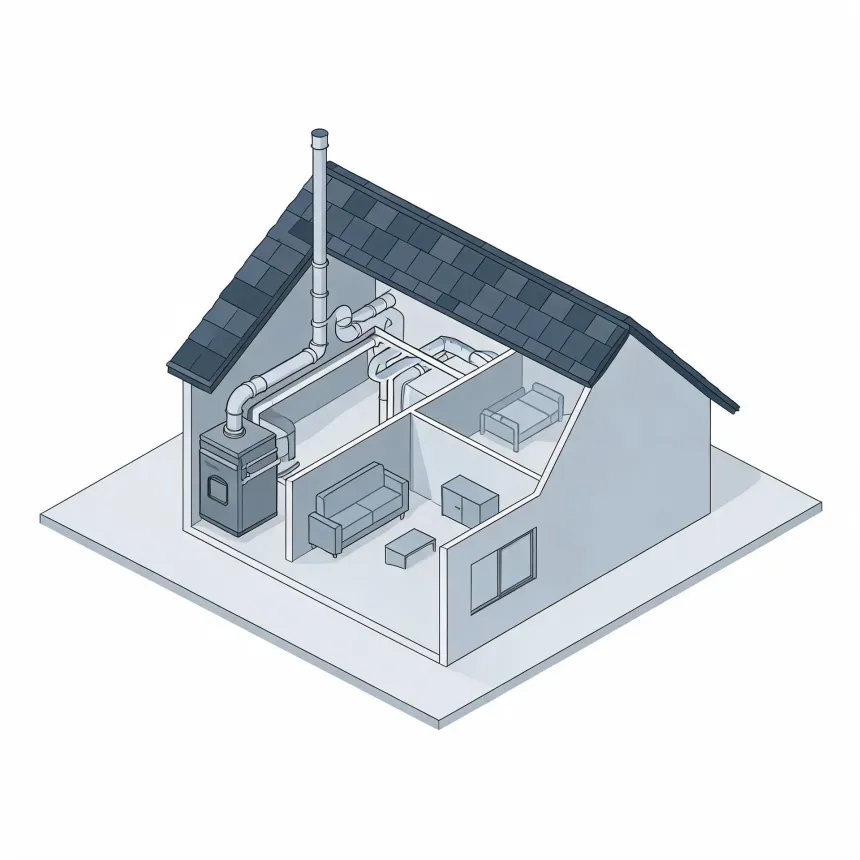
- A contractor removes the old furnace, air conditioner or heat pump and sets the new equipment in place, then connects it to your ductwork, refrigerant lines, gas or electric supply, and thermostat. The system gets tested to confirm it heats and cools correctly and holds proper airflow and refrigerant pressure. In most cities and counties this work needs a permit from the local building office, and an inspector checks the job once it is done. New Jersey licenses the contractor doing the work, not the job itself, so ask to see that license before work starts.