
HVAC Repair in Hopatcong, NJ
Homes here need heat from October through May and cooling from July through August. If your system quits, tell us what it's doing and a licensed contractor who covers Sussex County will get in touch.
Tell us about the job
It takes about a minute.
Ten months of work, and Hopatcong's storms on top of it
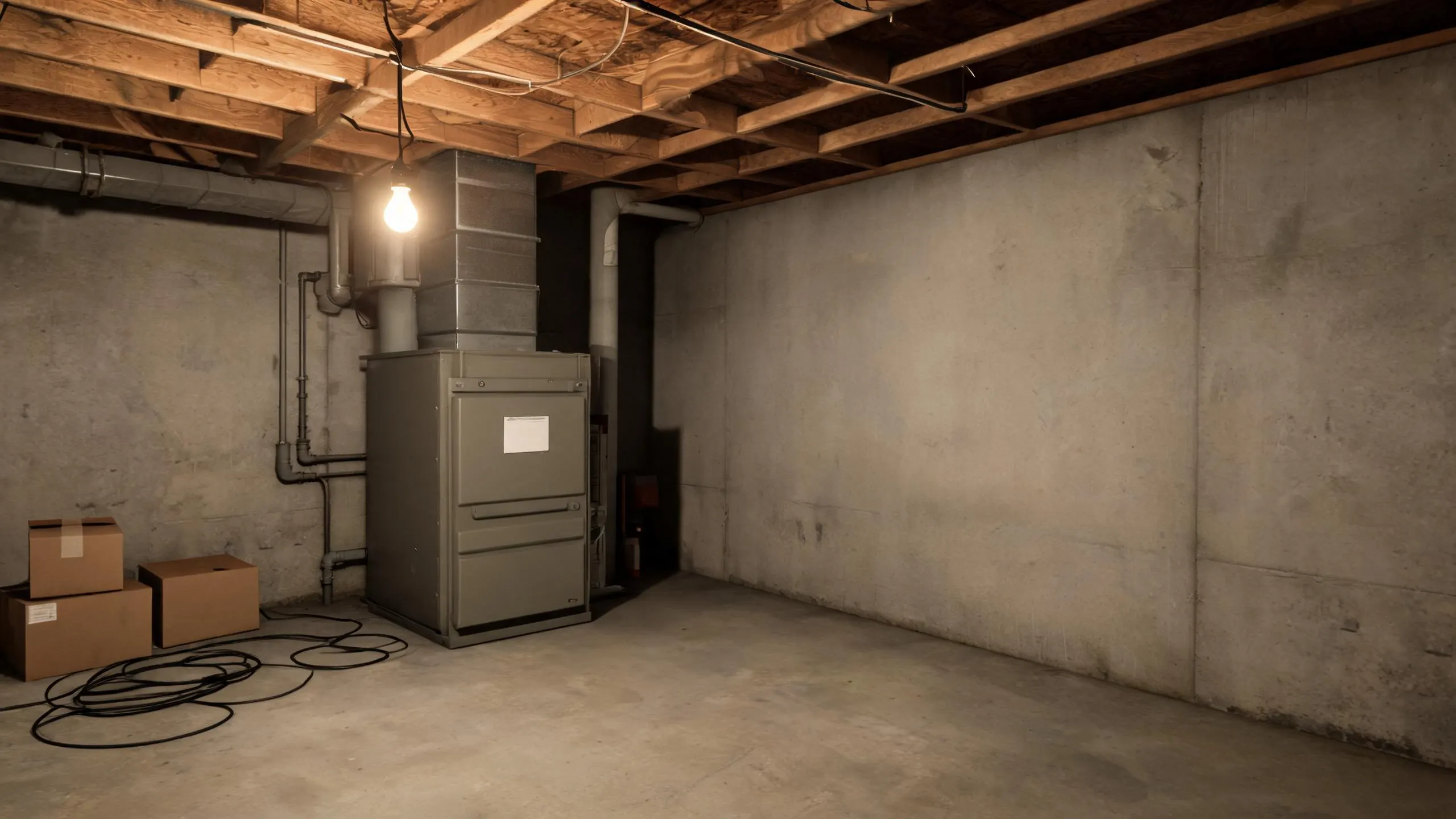
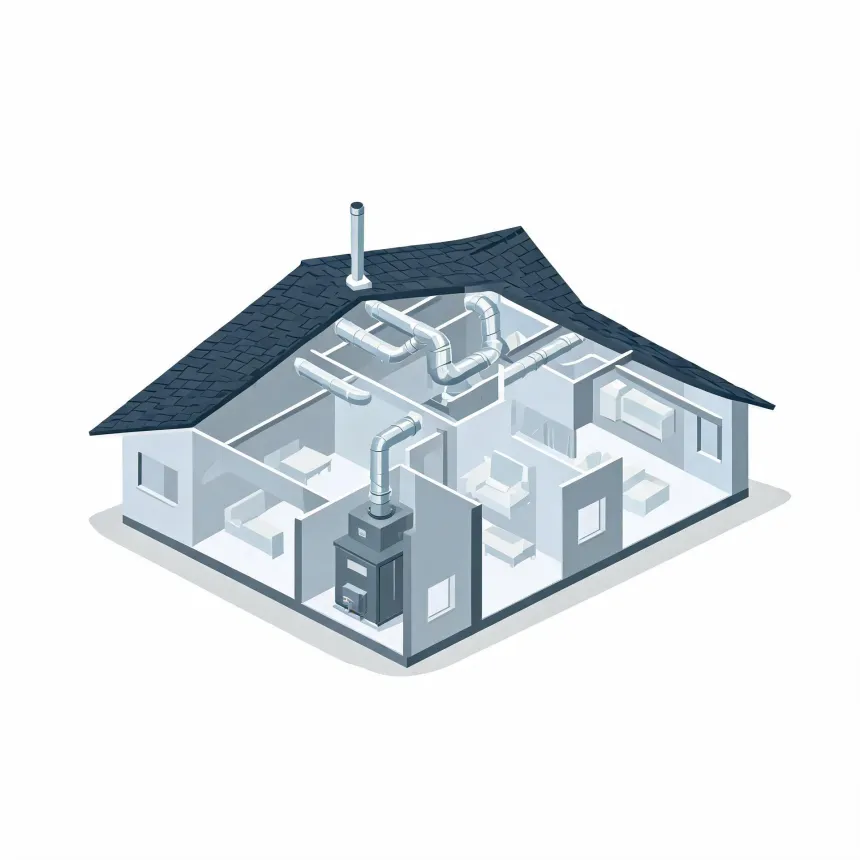
Your furnace or heat pump is on the job October through May, then the air conditioner takes over in July and August. That leaves only a short stretch in spring and fall when the system gets to rest. Nights average 20°F in the dead of winter, so the burner or compressor cycles on again and again to hold the house steady, and every cycle puts wear on the igniter, the ignitor board, or the contactor that starts it up. Almost half the homes here heat with fuel oil, which means the oil burner, the nozzle, and the filter all need to be working right or the furnace won't fire.
Hopatcong has seen 24 winter storms and 160 damaging wind events over the past ten years, and across New Jersey about 11% of households lost power for a full day or more in 2024. A furnace with a standing pilot will relight on its own, but most newer systems need electricity to start, and a heat pump or air conditioner won't run at all until power is back. When the lights flicker back on after a storm, that is often when a homeowner finds out a part gave out while the system sat idle.
- 8 months
- October through May, your system heats
- 2 months
- July through August, it cools
- 20°F
- the average winter night it heats against
- 81°F
- the average summer afternoon it cools against
NOAA nClimDiv, 1991–2020 normals
New Jersey requires HVAC contractors to hold a state license.
New Jersey issues this license through the State Board of Examiners of Heating, Ventilating, Air Conditioning and Refrigeration Contractors. It covers the contractor, not the individual job, so the same license applies to a small repair and a full system replacement alike. Getting it means passing the state's test and having a record the board keeps.
In Sussex County, that state license is the only one that applies. New Jersey does not let towns or cities add their own HVAC licensing on top of it, so a contractor licensed anywhere in the state is licensed to do this work here. For a repair to a heating and cooling system, that license is what stands behind the person doing it.
Sources: New Jersey Legislature · New Jersey Division of Consumer Affairs
- Why is my heat not working?
- Most often the thermostat, the igniter, or the power supply to the furnace is the problem. Check that the thermostat is set to heat and the temperature is above room temperature, and check the breaker. If you heat with fuel oil, which almost half the homes here do, check the tank level too, since a system that runs out of oil will not fire even though everything else looks fine. If power and fuel are not the issue, the igniter or a safety switch inside the furnace has likely failed, and that calls for a contractor.
- Why is my system running but not cooling the house?
- If the blower is running but the air is not cold, the problem is usually with the refrigerant side or the outdoor unit, not the fan. Check that the outdoor unit is not blocked by leaves or debris and that the filter inside is not clogged, since restricted airflow can keep a system from pulling heat out of the house. If the outdoor unit is not running at all while the indoor blower is, the compressor or its capacitor may have failed. Either way, a system that runs constantly without cooling on an 81 degree afternoon needs a contractor to check the refrigerant charge and the compressor.
- What can I check before calling for HVAC repair?
- Start with the thermostat. Confirm it is set to the right mode, the temperature is set correctly, and it has power, since a dead battery or a tripped breaker looks like a bigger problem than it is. Next check the breaker or fuse for the unit itself, and check the filter, since a filter clogged with dust can choke off airflow to both a furnace and an air conditioner. If the outdoor unit has a disconnect switch nearby, make sure it has not been bumped off. This area has logged 160 damaging wind events over the past ten years, so after a storm it is also worth checking that nothing fell on or near the outdoor unit before assuming the system itself failed.