
HVAC Repair in Phillipsburg, NJ
Homes here need heat from October through May and cooling from June through August. If your system quits, tell us what it's doing and a licensed contractor who covers Warren County will get in touch.
Tell us about the job
It takes about a minute.
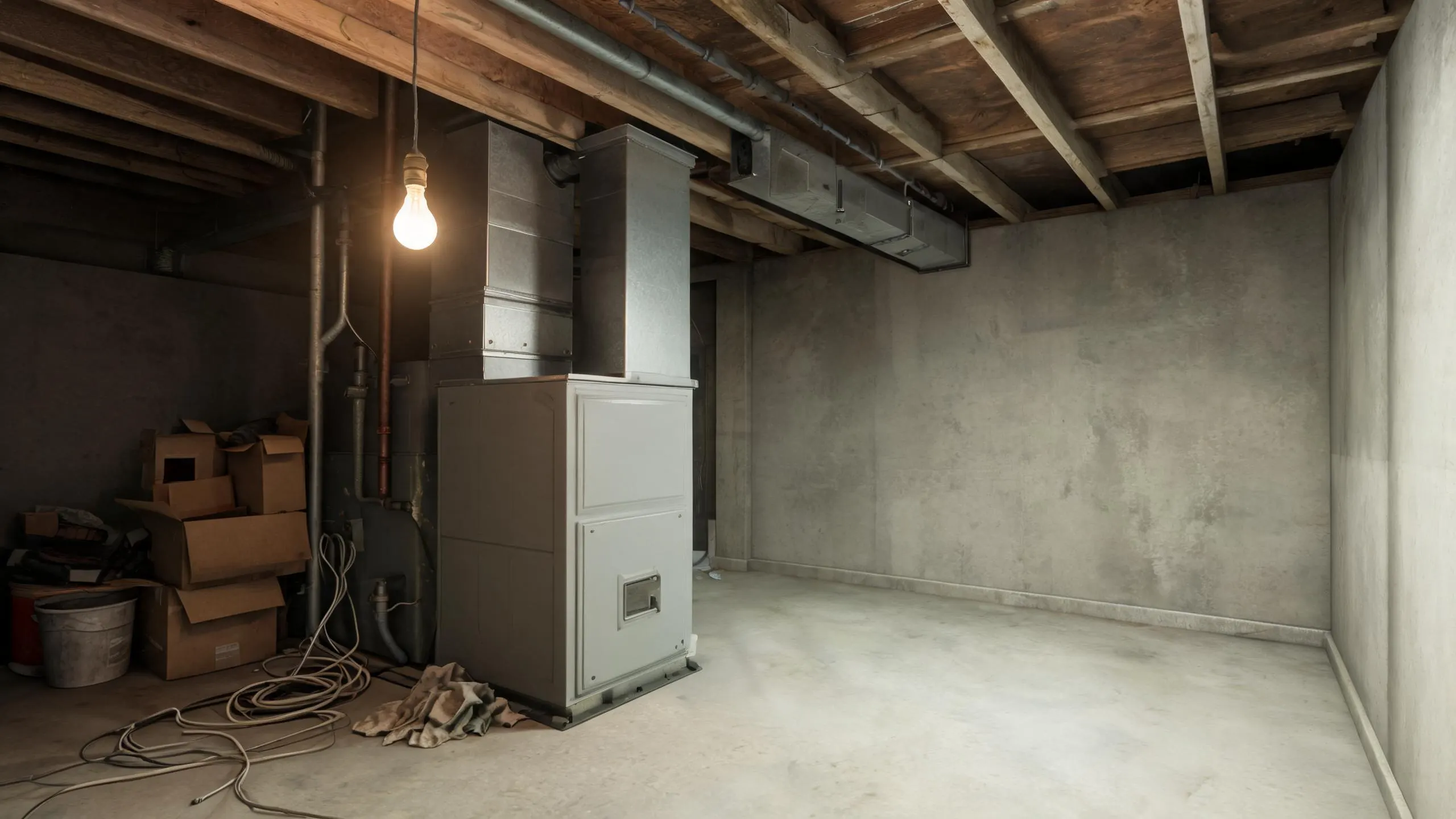
Eleven months of work a year in Phillipsburg
Your furnace runs from October through May here, and your air conditioner picks up in June through August. That leaves one month when the system in your house gets a break. Winter nights average 21°F, cold enough that the burner cycles on and off many times a night to hold the house steady. Summer afternoons average 82°F, so the compressor is working most days it runs, not just the hot ones.
The region has seen 20 winter storms and 167 damaging wind events over the past ten years, the kind of weather that knocks out power. Across New Jersey, 11 percent of households lost power for 24 hours or more in 2024. Most furnaces and heat pumps need power to start back up, so when the power returns you may need a hand getting the system running again.
- 8 months
- October through May, your system heats
- 3 months
- June through August, it cools
- 21°F
- the average winter night it heats against
- 82°F
- the average summer afternoon it cools against
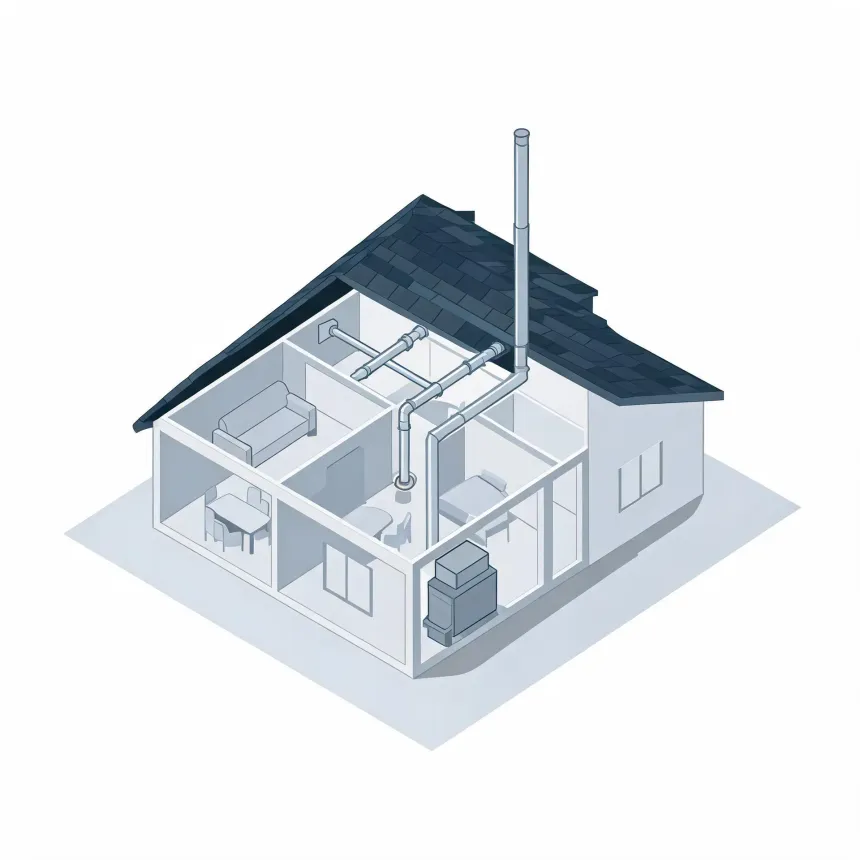
NOAA nClimDiv, 1991–2020 normals
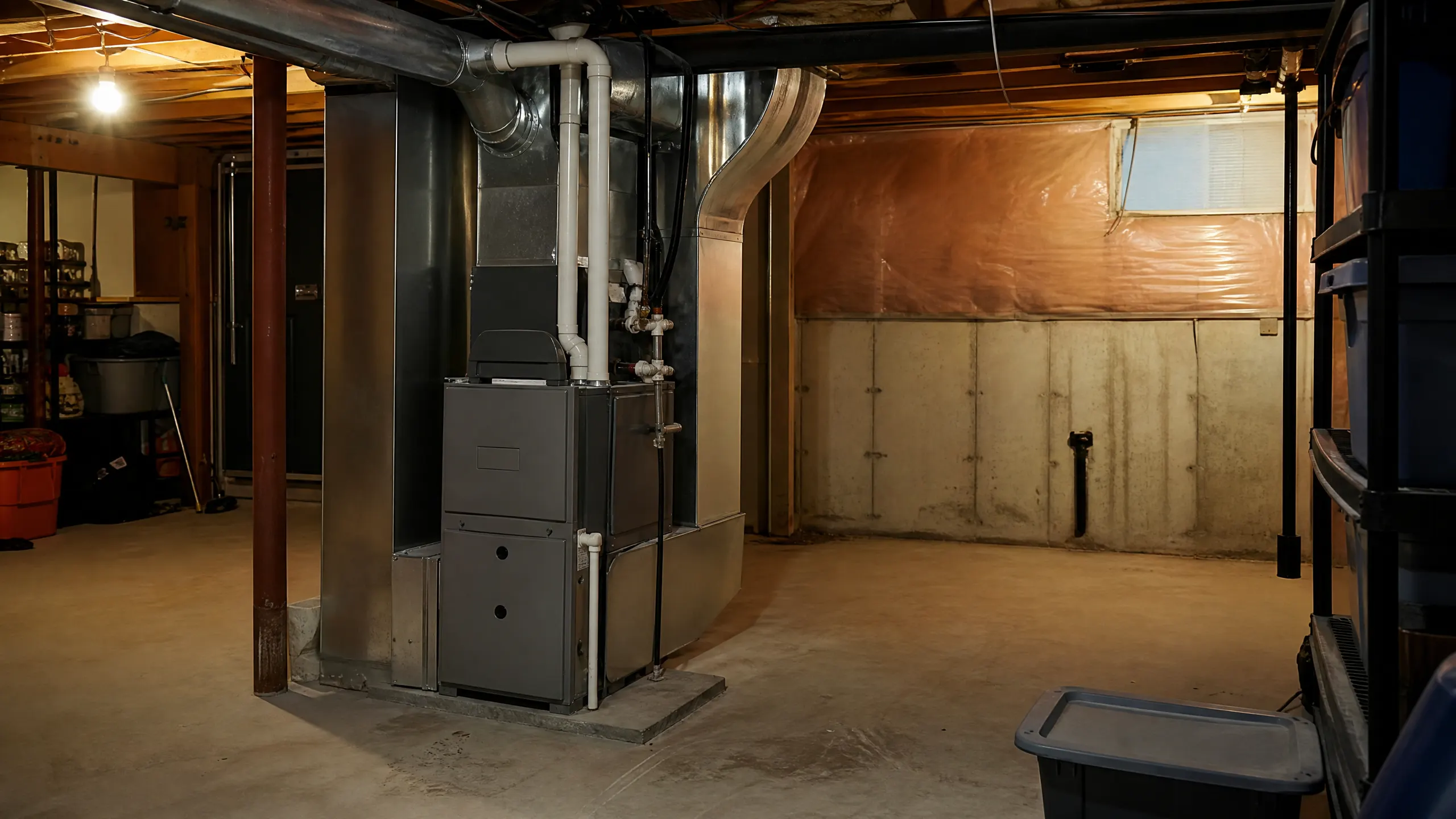
A new furnace and air conditioner would cut about $200 a year off heating and cooling for a typical Warren County home.
Estimates for a typical Warren County home, compared with an older unit built to the previous federal minimum, from EIA household energy data, New Jersey fuel prices and NOAA climate normals. Your home will differ.
Repair makes sense when one part has failed.
Replacement makes sense when the furnace's heat exchanger is cracked, the air conditioner's compressor has failed, or repairs keep coming.
New Jersey requires HVAC contractors to hold a state license.
The State Board of Examiners of Heating, Ventilating, Air Conditioning and Refrigeration Contractors is who licenses HVAC contractors in New Jersey, and the license belongs to the contractor, not to any one job. That means the state tested this person or business before letting them work and keeps a record of them that carries from job to job. Warren County has no license of its own to check, since New Jersey does not let towns add their own HVAC licensing on top of the state's.
For a repair on a heating and cooling system, that state license is what stands behind the contractor doing the work. A bad gas connection is the dangerous part of a heating repair, and under New Jersey's law it is the same licensed contractor who answers for that part of the job.
Sources: New Jersey Legislature · New Jersey Division of Consumer Affairs
- Why is my heat not working?
- Most of the time it comes down to the thermostat, the igniter, or a safety switch that's shut the furnace down. Check that the thermostat is set to heat and the temperature is above room temperature first. If it's set right and still nothing, listen for the furnace trying to start. A furnace that clicks but never lights often has a bad igniter or a flame sensor that needs cleaning. With nights averaging 21°F here in the winter, this isn't something to leave for a few days. If you don't hear or smell anything happening at all, a contractor needs to look at it.
- Why is my system running but not cooling the house?
- The blower is moving air, but something is stopping that air from actually cooling it. Start with the filter. A clogged filter chokes off airflow across the indoor coil and the coil can ice over, so the air coming out feels weak or barely cool. Check your outdoor unit too. If the fan isn't spinning or the coil is caked with dirt and leaves, it can't release the heat it's pulling from your house. If the filter's clean and the outdoor unit looks fine, the system is likely low on refrigerant, and that's a leak a contractor needs to find and fix.
- What can I check before calling for HVAC repair?
- Check the thermostat first. Make sure it's set to the right mode and the batteries aren't dead. Next, check your breaker panel. A tripped breaker will shut the whole system down and reset with a flip. Then look at the filter. If you can't remember the last time you changed it, that's probably part of the problem. Outside, clear away any leaves or debris stacked against the outdoor unit. If you've checked all of that and it's still not working right, tell the contractor what you found. It saves them time and gets your system fixed faster.