
HVAC Repair in New Brunswick, NJ
Homes here need heat from October through April and cooling from June through September. If your system quits, tell us what it's doing and a licensed contractor who covers Middlesex County will get in touch.
Tell us about the job
It takes about a minute.
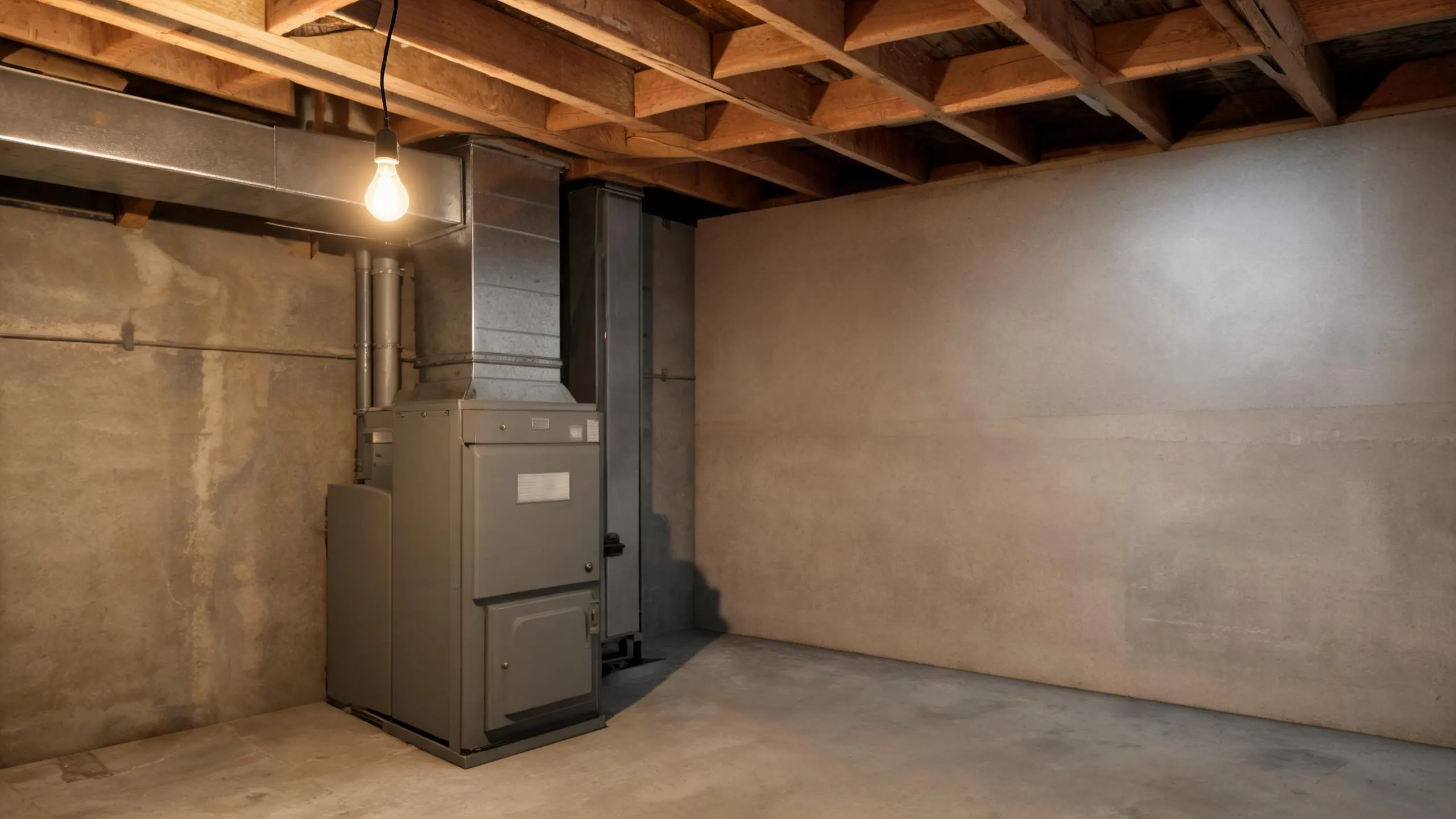
Eleven months of work, most years
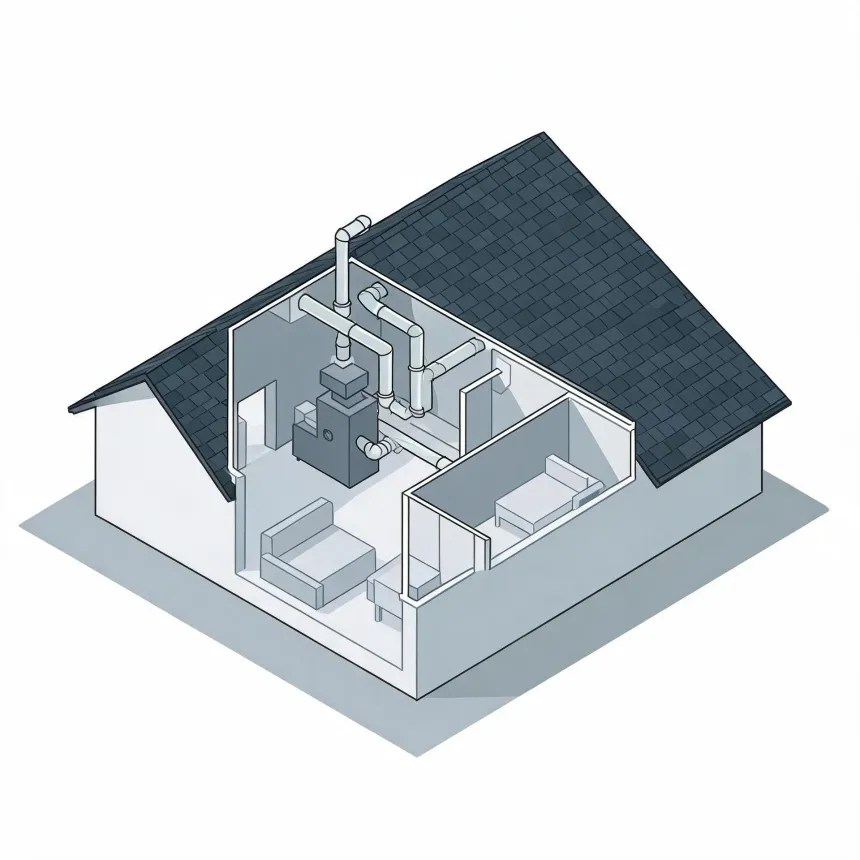
Your system runs almost year round here. Heat from October through April, cooling from June through September, only a short break between. That is eleven months where something has to work when you turn the dial.
Winter nights averaging 26°F mean the burner cycles on and off for hours at a stretch, and each start puts wear on the igniter and the ignition control board. Summer afternoons near 85°F push the compressor to run long stretches to keep up, and that steady load is what tires out a capacitor or a contactor before its time. New Jersey has seen its share of winter storms and damaging wind, and power does not always hold through them. Last year 11% of households in the state went at least a day without it. A system that will not restart cleanly once power is back is its own kind of problem, separate from whatever the weather wore down in the first place.
- 7 months
- October through April, your system heats
- 4 months
- June through September, it cools
- 26°F
- the average winter night it heats against
- 85°F
- the average summer afternoon it cools against
NOAA nClimDiv, 1991–2020 normals

A new furnace and air conditioner would cut about $180 a year off heating and cooling for a typical Middlesex County home.
Estimates for a typical Middlesex County home, compared with an older unit built to the previous federal minimum, from EIA household energy data, New Jersey fuel prices and NOAA climate normals. Your home will differ.
Repair makes sense when one part has failed.
Replacement makes sense when the furnace's heat exchanger is cracked, the air conditioner's compressor has failed, or repairs keep coming.
New Jersey requires HVAC contractors to hold a state license.
That license comes from the State Board of Examiners of Heating, Ventilating, Air Conditioning and Refrigeration Contractors, and it covers the contractor, not the job. The same license has to be behind this repair and every other job that contractor takes on. Towns and cities in New Jersey are not allowed to add their own HVAC license on top of it, so the state board is the only place this credential comes from, in Middlesex County or anywhere else in the state.
For a repair on a heating and cooling system, that state license is what stands behind the person doing the work. It is not tied to this one job or this one address. It travels with the contractor, which is why the same license has to cover the next repair too.
Sources: New Jersey Legislature · New Jersey Division of Consumer Affairs
- Why is my heat not working?
- Start with the thermostat. Make sure it is set to heat and set a few degrees above room temperature, and check that it has power or fresh batteries. If the thermostat looks fine, check your breaker panel for a tripped breaker, since a furnace or heat pump that lost power will not restart on its own. Gas furnaces have an igniter that wears out over time, and when it fails the furnace will run air but never light. If you smell gas at any point, leave the house and call your gas utility before doing anything else.
- Why is my system running but not cooling the house?
- Check the air filter first. A filter clogged with dust blocks airflow across the coil, and when that happens the coil can ice over and stop cooling the air even though the blower keeps running. Next check the outdoor unit and clear away any leaves, grass clippings, or anything blocking the fins. If the filter is clean and the outdoor unit is clear, the system may be low on refrigerant from a leak, and that is a repair for a licensed contractor, not something to add yourself.
- What can I check before calling for HVAC repair?
- Check the thermostat settings and batteries, check the breaker panel for anything tripped, and check the air filter for buildup that would choke off airflow. On a furnace, look at the switch on the unit itself or nearby that looks like a light switch, since that shuts off the whole system if bumped. If your home has a condensate line, check that it is not clogged, since some furnaces and all air conditioners shut down on purpose when that line backs up. Write down what you find, because it saves time when the contractor asks.