
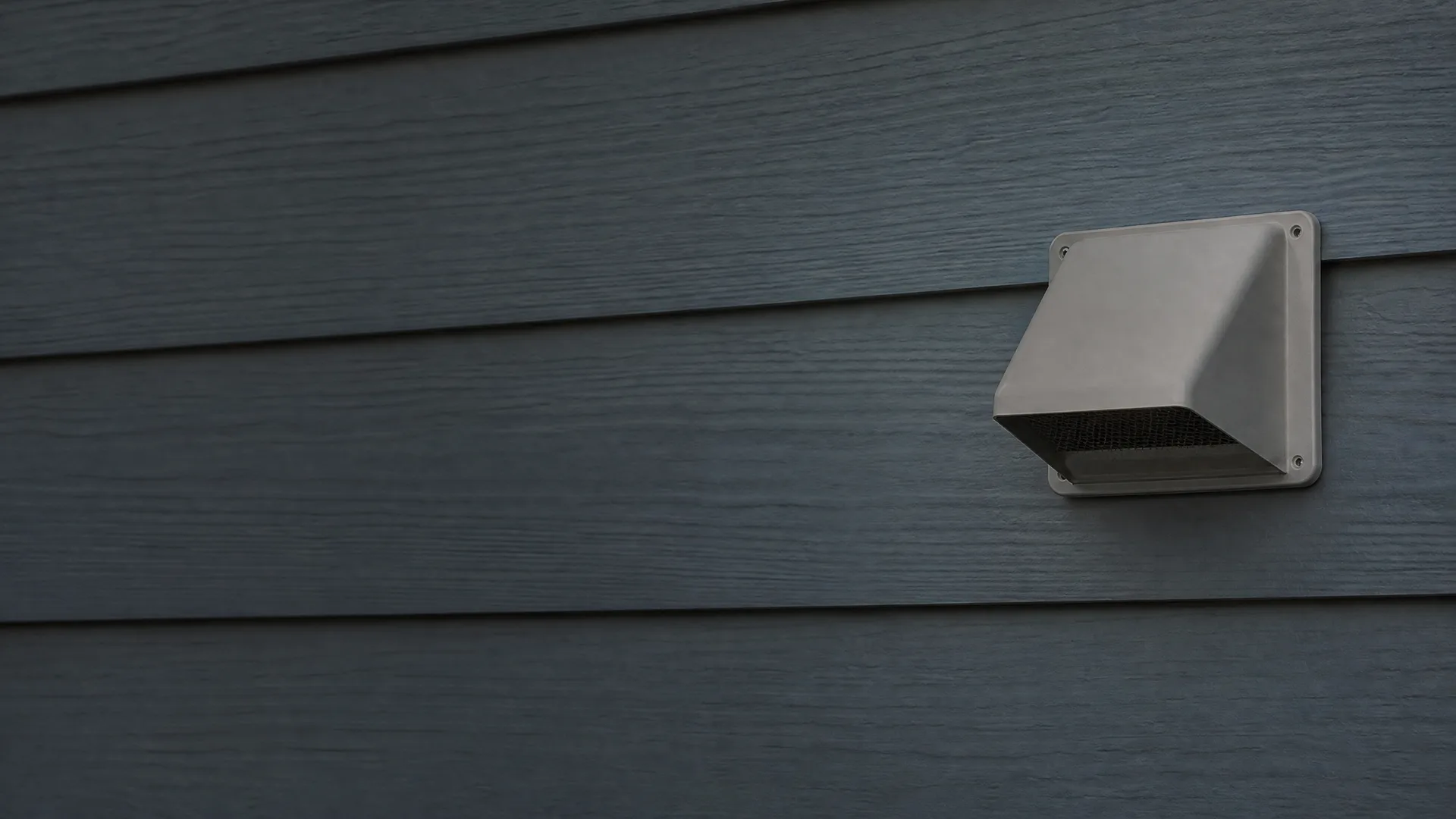
A clear vent, nothing stopping it
The cap sits flush against the siding and the flap hangs loose, ready to swing open the moment the dryer kicks on. Air pushes straight out and the duct behind it stays open its full width.
 Get matched
 with someone who does this kind of work in Essex County.
A bird in your dryer vent is not just a nuisance. Sparrows and starlings build nests in the vent hood or the duct behind it, usually in spring, and the nest blocks the hot moist air your dryer needs to push outside. Lint builds up against the nest. That is a fire risk, and it is also why your clothes are taking two or three cycles to dry.
You might hear chirping when the dryer runs, or see the vent flap outside stuck half open with twigs poking out. Either one means something is nesting in there, not just lint buildup.
This is not a job to clear out yourself with a coat hanger or a shop vac. The nest is often further back in the duct than you can reach, and if birds are still active in it, state wildlife rules affect how and when it can be removed. A contractor who cleans dryer vents in Essex County sees this every spring, knows how far back these nests usually sit in a Newark home's duct run, and has the tools to clear the vent fully without damaging it.
Once you request service, you will be matched with one licensed local contractor, not several companies competing for your call. That contractor will reach out to you directly to look at your vent and your dryer's setup. Essex County winters are cold and most homes here heat with gas, which makes a clear dryer vent worth more than just faster laundry. A blocked vent runs your dryer longer and harder, and local power costs are high enough that it adds up.
Get your vent matched with someone who knows what a Newark dryer duct looks like from the inside, and let them take it from there.
It's spring, and you've noticed the problem isn't going away on its own. Maybe you cleared one nest out last year and now there's another, or you can hear chirping when the dryer isn't even running. You want to know why your vent keeps attracting birds in the first place, not just how to get the current one out.
Sparrows and starlings look for a small dark opening off the ground, out of the weather, with a flat surface inside to pile up twigs and grass. A dryer vent hood gives them exactly that. The flap that's supposed to keep it closed often doesn't seal all the way, and a bird can push it open from outside in seconds. Once a nest is built there one spring, the opening stays attractive the next spring too, even after the nest is cleared, because the hood itself hasn't changed. Around Newark, this shows up most from March through May, when birds are nesting and your dryer may be running less than it does in winter, leaving the vent quiet and undisturbed for days at a time.




The hood on your dryer vent has a flap, a damper, that's meant to stay closed except when the dryer is pushing air out. Once that flap bends, sticks, or loses its spring, there's an opening a bird can work with. Sparrows and starlings don't go far once they're in. Most nests sit in the first foot or two of duct right behind the hood, not buried deep in the line. That matters for clearing it out. Every time the dryer runs after a nest is built, lint blows into the nesting material and packs it tighter, and that combination burns far more easily than lint alone. Clearing it means pulling the nest from the hood side first, then checking the duct behind it for lint that got trapped once the blockage formed. A vent cover with a screen stops this from happening again, but it only works if someone checks the mesh now and then. Lint catches on screen just like it catches on a nest.


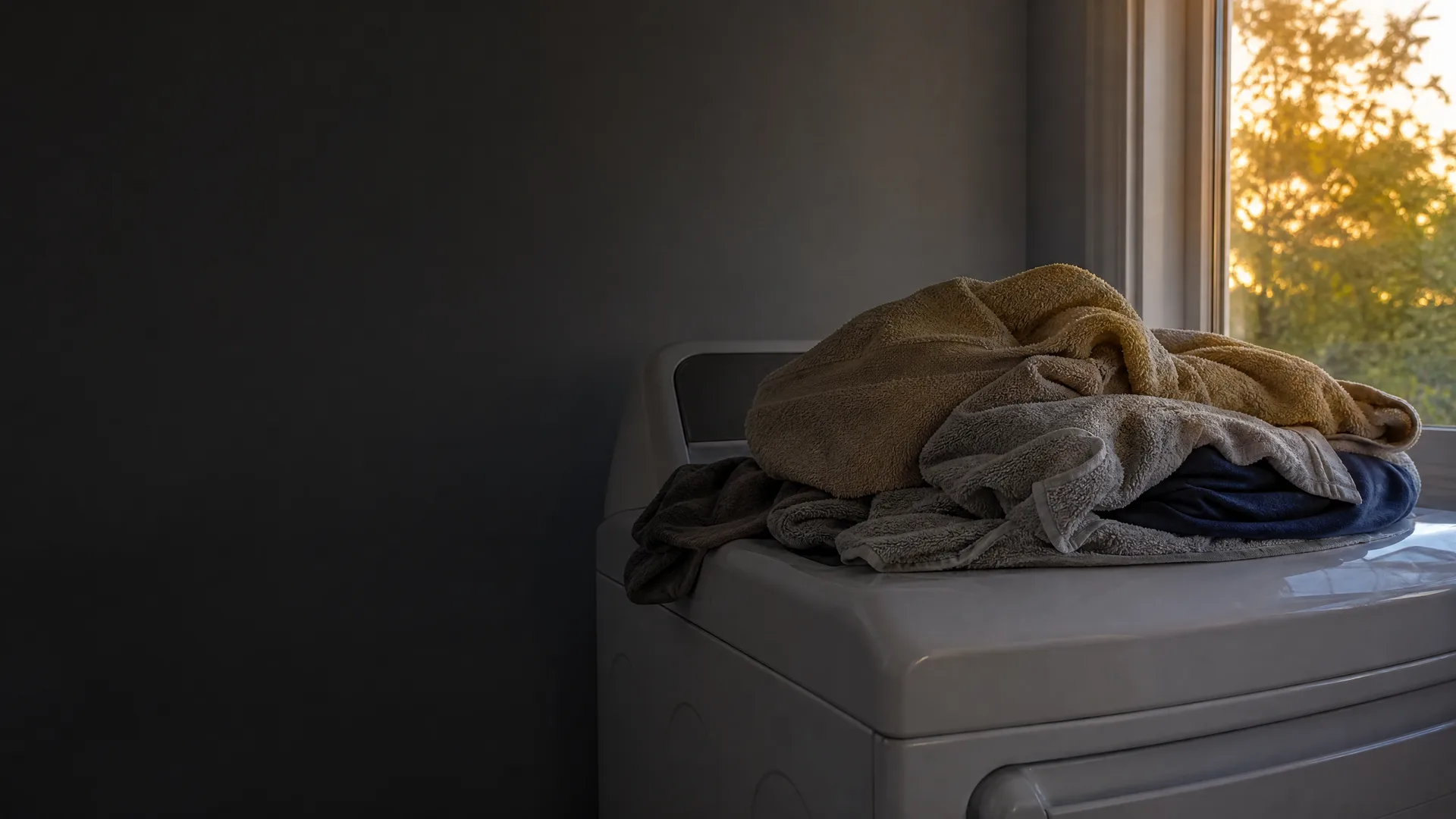
It's almost nine on a Tuesday and you're still in your work clothes, standing over a heap of towels that came out of the dryer damp as when they went in. You ran it twice already. The second time you noticed the smell first, something earthy, like a gutter, before you heard the faint scratching behind the wall near the vent hood. Essex County nights are still cool enough in early spring that you don't want to hang towels to dry overnight, but you're not running that dryer a third time. You push the heap aside, grab your phone, and start looking up who actually deals with this, someone who's pulled a bird's nest out of a vent before and knows what's back there before they open it up.
The pro who gets in touch is licensed in New Jersey and works in Essex County.
No fee to send it, and nothing to sign.
A dryer is built to push hot, damp air out through the vent with every cycle. When a nest cuts that path down to a narrow gap, the motor and heating element keep running the same as always, but the air has nowhere to go. Heat backs up inside the duct and the drum. The thermostat that regulates drying temperature senses that heat and cycles the dryer on and off more than it should, which is why a load that used to take forty minutes now takes two cycles. The moisture that should have vented outside settles back into the clothes and the duct itself, which is how lint ends up damp and packed solid around the nest instead of blowing clear.
Sparrows and starlings don't abandon a vent after one nest gets pulled out. A vent hood that let a bird in once usually has the same bent flap or missing spring it had before, and the duct still smells like a nesting site to a bird flying past it in March or April. Lint left behind from a prior nest also holds a bird's scent, so a cleared vent that wasn't fully cleaned out behind the hood can draw another pair back before the season's over. The only way to break that cycle is fixing what let the first bird in, not just removing what it built.
2.63 people per household on average
Essex County households average 2.63 people, which usually means a dryer running most days of the week. A vent that runs often is a warm, steady draft a bird will come back to.
Half the homes here were built by 1958
Half the homes in Essex County went up in 1958 or earlier. Vent hoods that old were often made with weaker dampers, so the flap wears out or bends and stops closing all the way.
Power here costs 24.38 cents per kilowatt-hour
Power here runs 24.38 cents per kilowatt-hour, well above the national average. A dryer fighting a blocked vent pulls more electric heat to dry the same load, and you pay for every extra minute it runs.
ACS 2020-2024 · EIA-861 2025
A sparrow or starling pushes past a stuck or broken damper flap.
The bird carries twigs and grass into the hood or duct.
Lint drifts out from the dryer and catches on the nest.
Packed lint and nesting material narrow the duct to a gap.



The cap sits flush against the siding and the flap hangs loose, ready to swing open the moment the dryer kicks on. Air pushes straight out and the duct behind it stays open its full width.

Grass and twigs fill the hood where the flap should be, and lint has caught on every strand of it. The opening that once let air through is now a wall of debris the dryer has to push against.


A load that used to finish in under an hour can stretch to two or three, and you'll feel the dryer running hot to the touch partway through. Check the lint trap and it looks fine, because the blockage is out at the hood, not inside the machine. Run enough cycles against that kind of resistance and the heating element and motor wear faster than they should, since they're working the same cycle length to push air through what's now a narrow gap packed with lint and nest material. There's a fire risk too. Lint is flammable, and a dryer forcing hot air against a packed vent holds heat longer than it was built to. Some households notice the smell before anything else, something closer to a gutter or a bird's nest than the usual clean-laundry warmth. If starlings or sparrows have already raised a brood in there, you may also hear chirping through the wall near where the vent runs, which is a clear sign the nest is active and not just old debris left behind from last spring.
With 2.63 people in the average Essex County household, laundry stacks up fast and the dryer runs loads back to back most days. Each cycle pushes warm air out through the vent, and that steady draft is exactly what draws a bird in to build.
ACS 2020-2024
A bird got into your vent because the damper flap failed, not because of anything you did. Clearing out what's in there now only solves half of it. If the flap stays bent or stuck, you're back here again by next spring, same nest, same blocked duct, same dryer running longer than it should. The fix is the nest out, the lint behind it cleared, and the flap working so it closes on its own between loads.
Dryer vents like this come up often around Newark, and a contractor who works on them through the spring has seen which hood styles tend to let birds in and which ones hold up. That's the kind of knowledge that comes from doing this work locally, season after season, not from a general repair call. When you ask to be matched, it's one contractor who takes on your situation, not a handful of companies competing for the job. That means one call back, one visit scheduled, one person who already has an idea what they're walking into before they get there.
Once the duct is clear and the flap seats right, your dryer goes back to pushing air the way it's built to. Loads finish in the time they used to. The earthy smell goes away because the damp air has somewhere to go again. None of that happens until the nest and the blockage behind it are physically out of the vent, and the flap is doing its job again.
A licensed pro who works in Essex County gets your request.