

How often to clean a dryer vent in New Brunswick, NJ

Skip searching for someone who cleans dryer vents in Middlesex County.

Skip the search

How often should I clean my dryer vent in New Brunswick, NJ?

You run a load of laundry most days and the dryer still takes longer than it should, or maybe it's running fine and you just want to stay ahead of a fire risk. Either way, you're trying to figure out a number you can actually plan around, not a vague rule.

Once a year, more often if you dry a lot of laundry

Lint builds up inside the vent pipe even when the lint trap is clean, because not all of it gets caught before the air leaves the dryer. Once a year clears that out before it chokes the airflow. If you're running the dryer daily for a full household, or the vent run is long with a few bends in it, twice a year is worth doing. Gas dryers have an added reason to stay on schedule: a blocked vent keeps exhaust from venting outside the way it should. Cold winters here mean dryers get used indoors for months at a stretch without the help a clothesline gives the rest of the year, so the vent sees more work than it would somewhere milder.

  1. Lint builds up inside the vent duct, not just the trap

  2. The buildup narrows the path hot air needs to escape

  3. Trapped heat makes the dryer run longer to dry clothes

  4. A technician disconnects the duct at the back of the dryer

What does your household actually mean for your dryer vent?

  • 2.75 people per household on average

    A typical household here runs 2.75 people worth of laundry through one dryer. More loads push more lint through the duct between cleanings.

  • Half the homes here were built by 1974

    Half the homes in Middlesex County were built in 1974 or earlier. An older duct run is more likely to have joints or turns where lint catches and builds up.

  • Power here costs 23.82 cents per kilowatt-hour

    Electricity here runs 23.82 cents per kilowatt-hour. A duct clogged with lint makes an electric dryer draw power longer to finish the same load.

ACS 2020-2024 · EIA-861 2025

You vent through a short straight run

Some dryers in New Brunswick sit against an outside wall, and the vent runs a few feet to the outside with no turns. Lint moves through fast and has less chance to catch on a seam or an elbow. If that's your setup, you can likely go longer between cleanings than a neighbor with a longer run. You'll still want to watch for the usual signs, clothes taking longer to dry or the outside vent flap barely moving when the dryer runs, but the duct itself works against you less.


You vent through a long or bent run

Plenty of houses in Middlesex County have the dryer set up in a basement or interior laundry room, which means the vent travels farther and usually turns at least once to reach outside. Every elbow is a spot where lint can settle instead of blowing through. A long run with two or three bends traps far more lint than a short straight one, even with the same amount of laundry going through it. If this describes your setup, plan on cleaning it more often than the short-run case, regardless of how many loads you run.

A smiling woman with long brown hair in a cream sweater sits at a stone counter with a glass of red wine, with a dimly lit living room, beamed ceiling and glass doors behind her.
A woman with shoulder-length dark wavy hair in a beige sweater laughs while looking off to the side, seated at a white marble counter with a glass of red wine, in a dimly lit home interior with a kitchen and sofa in the background.
A smiling woman with long dark hair in a black sweater sits at a white marble counter with a glass of red wine, in a dimly lit kitchen and living area with pendant lights, a potted plant, and flowers.
A smiling woman with long brown hair in a light knit sweater sits at a stone-topped counter with a glass of white wine, with a dimly lit living room, sofa, fireplace and round mirror behind her.

What a Blocked Vent Costs You

  • A dryer that takes two or three cycles to dry a load is telling you the vent is restricted.
  • Lint piling up behind the dryer or a hot, musty smell near the vent hood means air isn't getting out.
  • A clogged vent can push a gas dryer's exhaust, including carbon monoxide, back into the house instead of outside.
  • Every load that runs longer than it should adds to a power bill that's already among the highest in the country.
  • A dryer working against a blocked vent wears out its heating element and blower faster than it would otherwise.
  • Lint is the fuel behind most home dryer fires, and the vent duct is where most of it collects.

You notice a blocked vent before you ever think to check it. Towels and jeans that used to dry in one cycle start needing two. You reach behind the dryer and find lint that's worked its way out around the duct connection. Near the vent hood outside, the air coming out feels hotter than it should, sometimes with a musty smell that means moisture is staying trapped instead of venting out.

If your dryer runs on gas, this matters beyond the laundry. A gas dryer sends its exhaust, including carbon monoxide, out through that same duct. When lint blocks the path, that exhaust has fewer places to go besides back into the house. You won't smell it or see it building up.

The dryer itself pays for the blockage too. A heating element working to push air through a clogged duct runs longer and hotter than it was built for. The blower motor behind it works harder as well. Both wear out faster than they would with a clear vent, and every extra cycle adds to a power bill that's already steep in this part of New Jersey.

Lint is dry, it catches easily, and the duct is exactly where it collects over time. That's the reason dryer vent cleaning exists as a service at all. None of this means your dryer is unsafe right now. It means the signs are worth paying attention to, and worth acting on before they turn into something bigger.

2.75 people per household on average

With close to three people in a typical household here, that's close to three people's worth of towels, sheets and everyday loads going through one dryer. More loads means more lint moving through the duct, so the vent earns its cleaning faster than it would in a house running one or two loads a week.

ACS 2020-2024

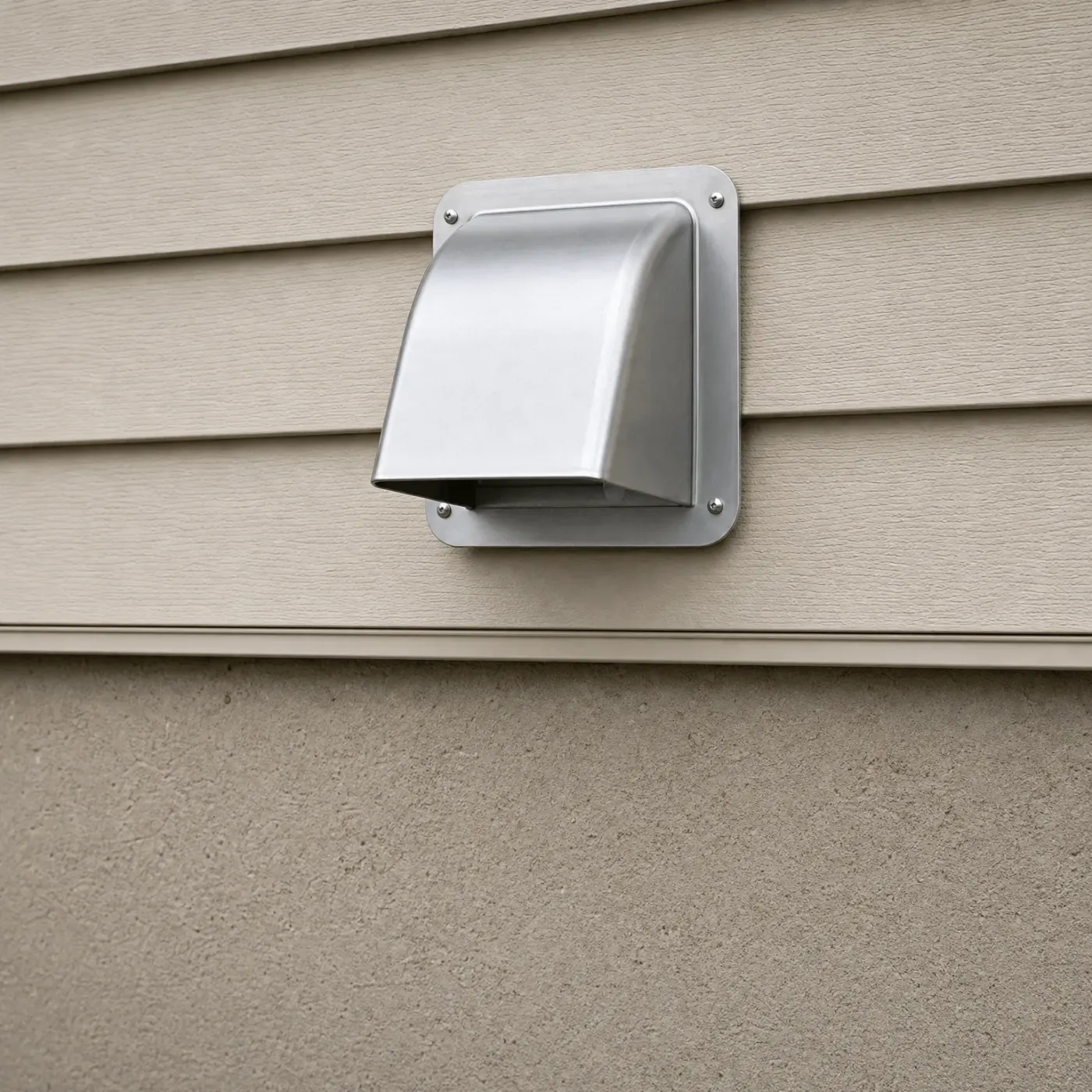
A metal hooded dryer vent cover mounted on beige horizontal lap siding above a textured concrete foundation wall.

Vent cap clear and sealed

The hood sits flush against the siding, screwed tight at all four corners, and the opening is clear. Air pushes straight out with nothing to slow it down. A dryer vented like this runs its normal cycle and the air coming off it outside feels strong and warm, not weak or damp.

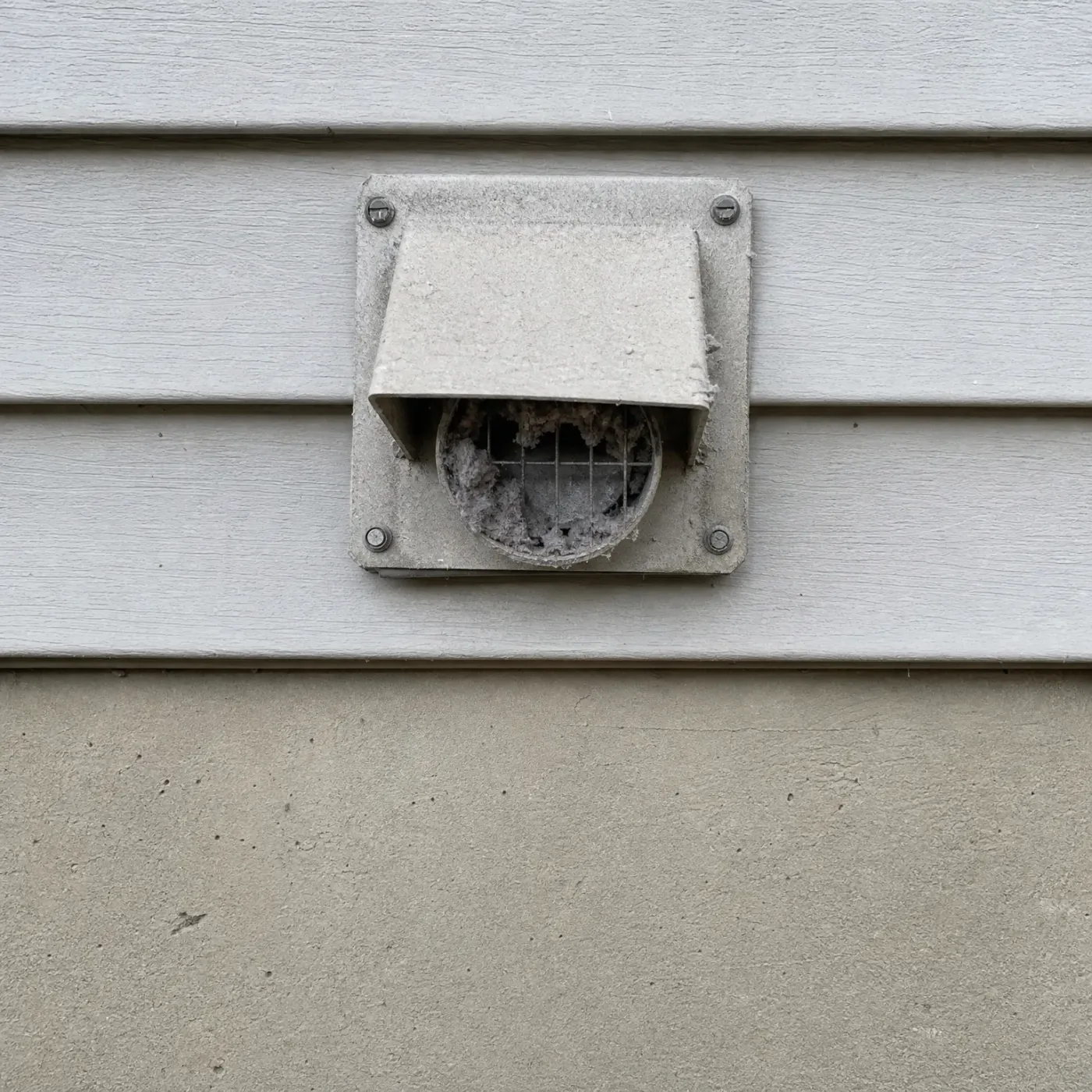
A metal dryer vent hood screwed to light gray lap siding, with lint clogging the round opening and a lower concrete wall below.

Screen clogged with lint

The wire mesh over the opening is matted with lint, leaving the dryer fighting to push air through a screen that's nearly sealed shut. Loads take longer, the dryer runs hotter than it should, and the lint built up here likely means more of it is sitting in the duct behind the wall.

A metal dryer vent hood mounted on light gray horizontal lap siding, with its opening clogged by gray lint, above a concrete foundation wall.
Before you get your dryer vent cleaning
A white hooded dryer vent cover screwed into beige lap siding above a concrete foundation wall, with a bed of rounded gravel at the base.
After you get your dryer vent cleaning

No calling every shop in Middlesex County

You've read what drives the buildup and what it looks like once it's there. Finding someone to deal with it is its own chore: searching for a vent cleaning contractor in Middlesex County, calling a few, explaining the same thing about your dryer running long or that musty smell near the hood, then waiting on quotes to compare. This sends your request to one local contractor who works on vents like yours all year and knows what a clogged hood or a crushed elbow behind the dryer usually looks like, so you're not fielding calls from five companies trying to figure out who to trust. If your dryer's been running two or three cycles a load, or you just haven't had the vent looked at since you moved in, that's worth sorting out now rather than waiting for the smell to get worse or the dryer to stop heating altogether.

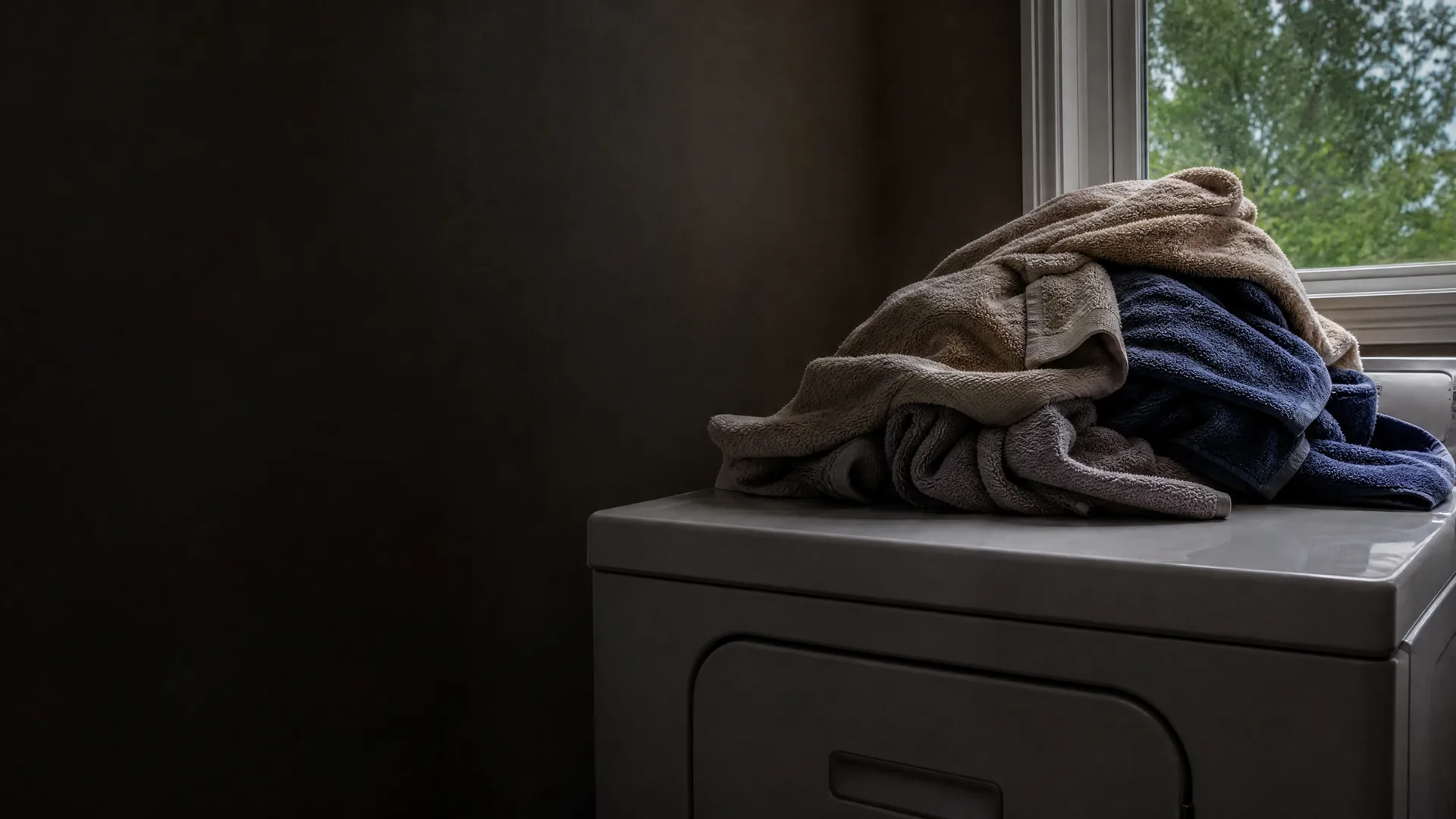
A pile of beige, blue, and gray towels sits on top of a white dryer beside a window with green foliage outside, against a dark wall.

It's almost nine on a Tuesday and you still have a dryer going. You pull the door open expecting warm, dry sheets and instead find a tangle of damp towels, heavier than they should be after fifty minutes on high. You feel the top of the machine and it's barely warm. The laundry room is stuffy, that close, humid smell that never used to hang around in here. You load the towels back in, add fifteen more minutes, and head back to whatever you were doing before, figuring you'll deal with it this weekend.

Why does your laundry room feel hotter than the rest of the house?

Stand near the dryer partway through a cycle. If the room feels warmer than it should, or the air has that hot, slightly burnt smell, the vent is holding heat the duct is supposed to carry outside. Check the vent hood on the outside wall. Weak airflow there, or lint sitting around the flap instead of blowing clear, means the duct is restricted somewhere between the dryer and the outside. Clothes come out hotter to the touch than normal. The outside of the dryer itself may feel warm. Left alone, that trapped heat is what lint needs to catch and hold, and it's the reason a blocked vent is a fire risk in a house, not just a reason for slow laundry.

A white hooded exhaust vent with a louvered opening mounted on white horizontal lap siding, with blank white space at right.

Vent cleaned on a set schedule

A dryer vent cleaned once a year, or sooner if the duct run is long or has a few bends, stays open the whole time you use it. Air moves out fast, the dryer shuts off when the load is actually dry, and nothing builds up long enough to catch fire. You run loads back to back during a busy week without the dryer working any harder on the fifth one than it did on the first. The dial on the dryer matches what actually happens inside it.

A metal hooded exterior vent cover screwed to beige horizontal lap siding, next to a plain white wall corner.

Vent left alone for years

Lint keeps collecting in the duct every time you dry a load, and nothing clears it out on its own. A load that used to take 40 minutes stretches to 60, then to two cycles, and you adjust without noticing why. The lint trap still looks fine because the real buildup is further down the duct, out of sight. By the time the dryer shuts off hot to the touch or the room smells scorched, the vent has been restricted for a long time already.

Once a year is the number to work from, sooner if your duct run is long or bends more than once or twice. That's what keeps a dryer running its normal cycle instead of two or three, and what keeps lint from building up somewhere you can't see it. You don't have to figure out on your own whether your setup needs it more often than that. A local contractor who cleans vents in Middlesex County homes all year sees the short straight runs and the long bent ones alike, and knows which ones fail first. You'll hear from one contractor, not a handful calling to pitch you, and that contractor is licensed to do this work in New Jersey. That's one less thing to sort out on a Tuesday night when the dryer's still running at nine and the towels are still damp.

A galvanized metal hooded dryer vent screwed to gray lap siding on an exterior wall.

One form, no calling around

Duct and vent cleaningMiddlesex County, NJ
Step 1 of 3

What kind of equipment?