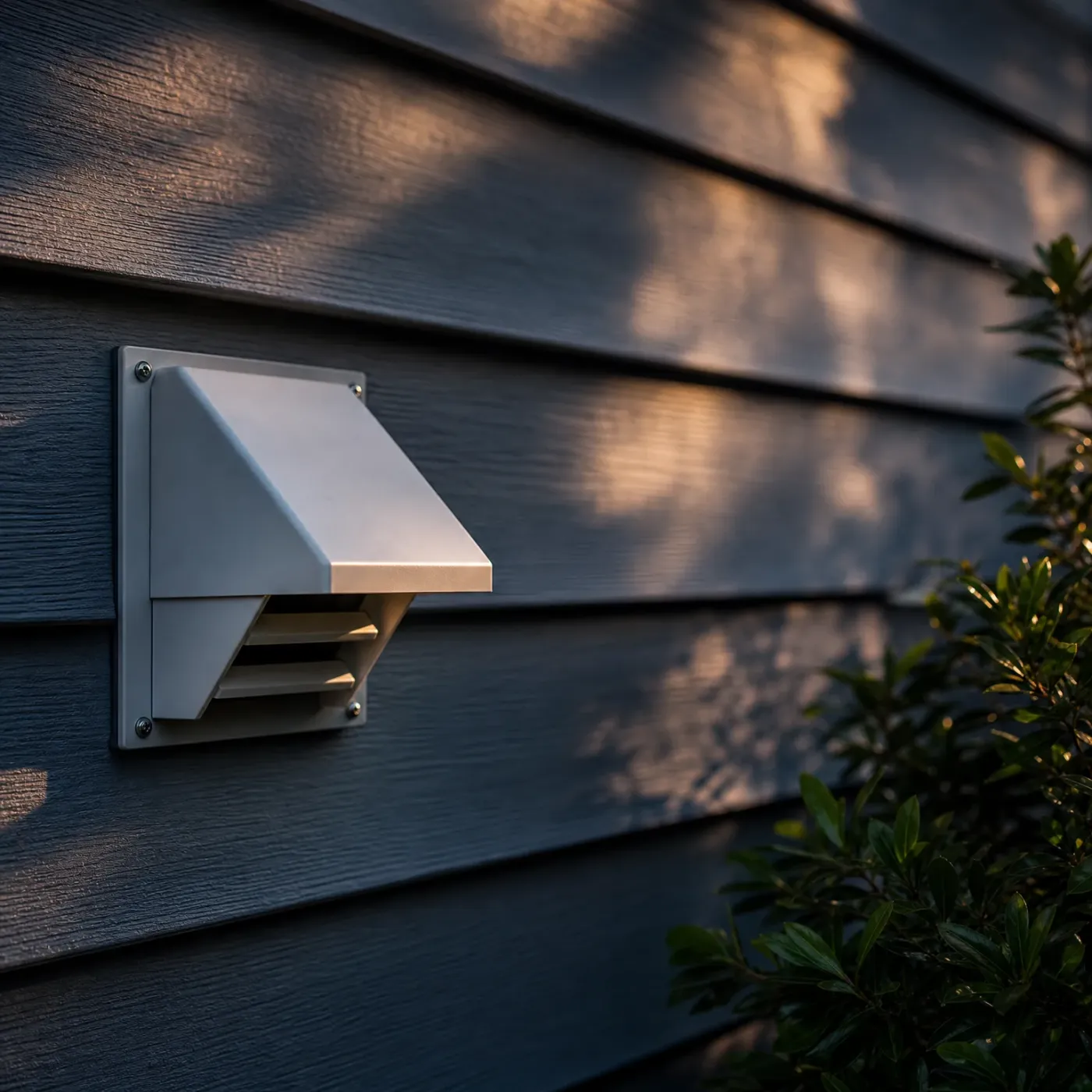
Send one request and you're done looking
Dryer hot but clothes still wet in New Jersey
A dryer that runs hot but leaves clothes damp after a full cycle usually points to a vent that is not clearing the air the way it should, not the dryer itself. This page gets into what that means and what a thorough cleaning of the vent involves. Once you send the form, you are done hunting for someone to look at it.
Let a pro reach outA dryer that gets hot but still leaves clothes damp is usually a dryer trying to push hot, wet air through a vent that is clogged somewhere between the drum and the outside wall. Lint builds up along the duct, not just in the trap, and over time it narrows the path until the moist air has nowhere to go. The heat still comes on, so the dryer feels like it is working, but the air it needs to carry that moisture out is barely moving. That's why a cycle that should take 40 minutes stretches to two, and why the clothes come out hot to the touch but not dry. In New Jersey, where summers run sticky and the dryer vent is already fighting humid outside air for months at a time, a partly blocked vent loses that fight sooner. Left alone, the dryer works harder and longer for the same load, and a vent that is this restricted is also a real fire risk.


A dryer doesn't know if the vent is clear. It knows the heater is on and the drum is turning, so it keeps running the cycle it was set to run. The heat it makes is only half the job. Drying clothes means carrying that heat, now loaded with moisture pulled out of the fabric, all the way out through the duct and past the vent hood outside. When lint has narrowed that path, the air moves slower, and the same heat ends up sitting against wet clothes instead of leaving with the moisture. That's why a full cycle on a clogged vent can end with the drum hotter than usual and the clothes still damp. The vent hood flap on the outside wall can look fine while the duct behind it is packed with lint for feet at a stretch. None of that shows up to the dryer itself. A vent that's actually clear moves air fast enough that the moisture leaves with it, and a cycle ends with clothes dry, not just warm.
Why heat alone doesn't dry
- The heating element or gas burner still fires on a schedule, so the drum keeps feeling hot even while the clothes stay wet.
- A dryer senses how hard the motor and heater are working, not whether the air is actually moving out through the vent.
- As lint narrows the duct, the same amount of heat gets trapped against wet fabric instead of carrying moisture out of the house.
- A full-length cycle run on a blocked vent often ends with the inside of the drum and the clothes noticeably hotter than normal.
- Lint builds in the duct itself well before it clogs the vent hood flap on the outside wall, so the flap can look clear while the line behind it is not.
- A clean vent moves air fast enough that a cycle ends with clothes dry, not just warm.


What a Blocked Vent Costs You
- A load that used to take one cycle in your dryer now needs a second or third run before it comes out dry.
- Gas dryers are common in New Jersey, and a blocked vent makes that burner cycle on and off more than it should to keep pushing air through.
- With power rates among the highest in the country, every extra cycle to finish drying a load adds up on the bill.
- A clogged vent keeps heat and moisture trapped inside the dryer housing, which adds wear beyond what a normal cycle causes.
- In the muggy stretch of a New Jersey summer, a vent that is already struggling to push air out has even less margin to work with.
- Lint sitting damp in a blocked vent for weeks at a time is a fire risk that most homeowners never see because it is inside the wall.
You notice it first in the laundry room. A towel load that always came out dry now comes out warm and damp, and you run it again. That second cycle is the clearest sign something past the dryer itself is wrong. In a New Jersey house with a gas dryer, the burner is doing its job on schedule, lighting and cycling the way it always has, but the air carrying that heat out through the wall has nowhere to go. It backs up into the drum and the housing instead of leaving the house. That trapped heat and moisture sit against the drum and the parts around it, cycle after cycle, in a way the dryer was never built to handle for long. Summer here makes it worse. The outside air is already heavy, and a vent that is partly blocked has even less room to push air against that humidity. Every extra cycle you run to get a load dry is pulling power at some of the highest rates in the country, and it adds up faster than people expect. The part you can't see is the lint itself. It sits inside the wall, often damp from all that trapped moisture, and it stays there until someone clears it out. That's the real risk behind a dryer that runs hot but won't finish the job.




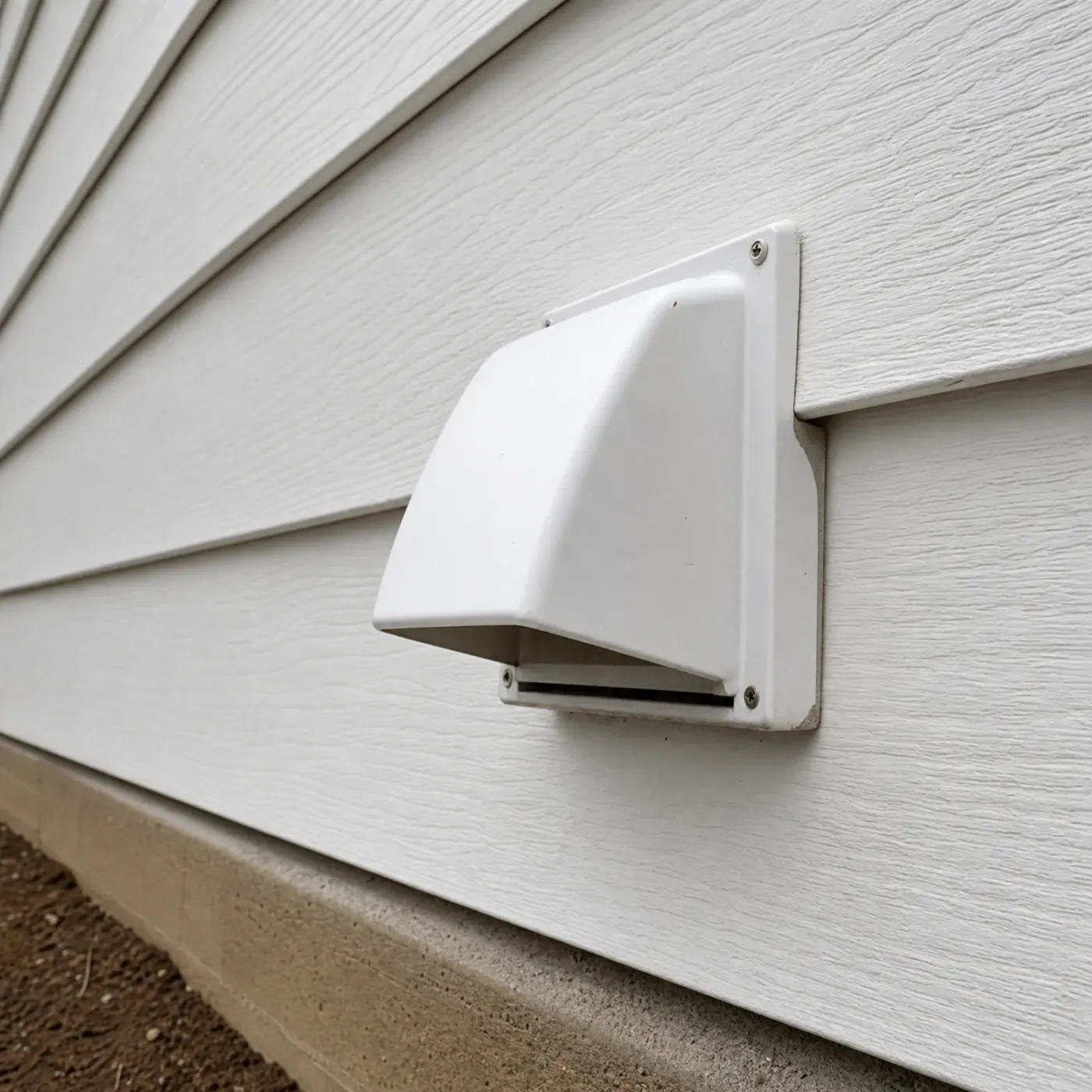
Finding a pro stops being your job
Describe your dryer vent job once, to one pro.
Send the form and finding a dryer vent cleaner is handled.
Sending the form costs nothing.
Why is my dryer still hot but the clothes won't dry?
Why is my dryer still hot but the clothes won't dry?
The vent is blocking the moist air from leaving, not the heat from working
Heat and moisture removal are two different jobs, and a clogged vent only stops the second one. The burner or heating element has its own sensor, and it keeps firing on schedule whether air is moving out through the vent or not. What it can't sense is a duct packed with lint from the trap to the outside wall. That lint holds the wet air inside the drum instead of letting it push out, so clothes come out hot to the touch but still damp. In New Jersey, where summer humidity already works against your dryer, a blocked vent adds to that load. The fix isn't the heating element. It's clearing the path the air is supposed to take out of the house.

Lint builds up inside the duct, narrowing the path air takes to the outside wall.
The heater or burner keeps firing on its normal cycle, so the drum still feels hot.
Moist air from wet clothes has nowhere to go and stays trapped in the drum.
The dryer runs a full cycle, then another, without ever actually drying the load.
Power costs 22.48 cents per kilowatt-hour statewide
At 22.48 cents per kilowatt-hour, every extra cycle your dryer runs to finish a damp load shows up on your bill fast. A clogged vent can mean running the same load two or three times, and in New Jersey that adds up quicker than in most states.
EIA-861 2025 statewide residential average

A hot dryer and a damp load means the vent, not the machine
Your dryer heats the way it's supposed to. What it can't do is push that heat and moisture out through a vent that's narrowed with lint. Clearing that path is what gets your clothes dry again in one cycle instead of two or three.
That's the part that takes the work off your hands. Instead of searching for someone who services dryer vents in New Jersey, calling a few, explaining the same thing about the hot dryer and damp clothes each time, then sitting with quotes to figure out who to trust, you send one form. Someone gets in touch to handle it, and you're done looking.

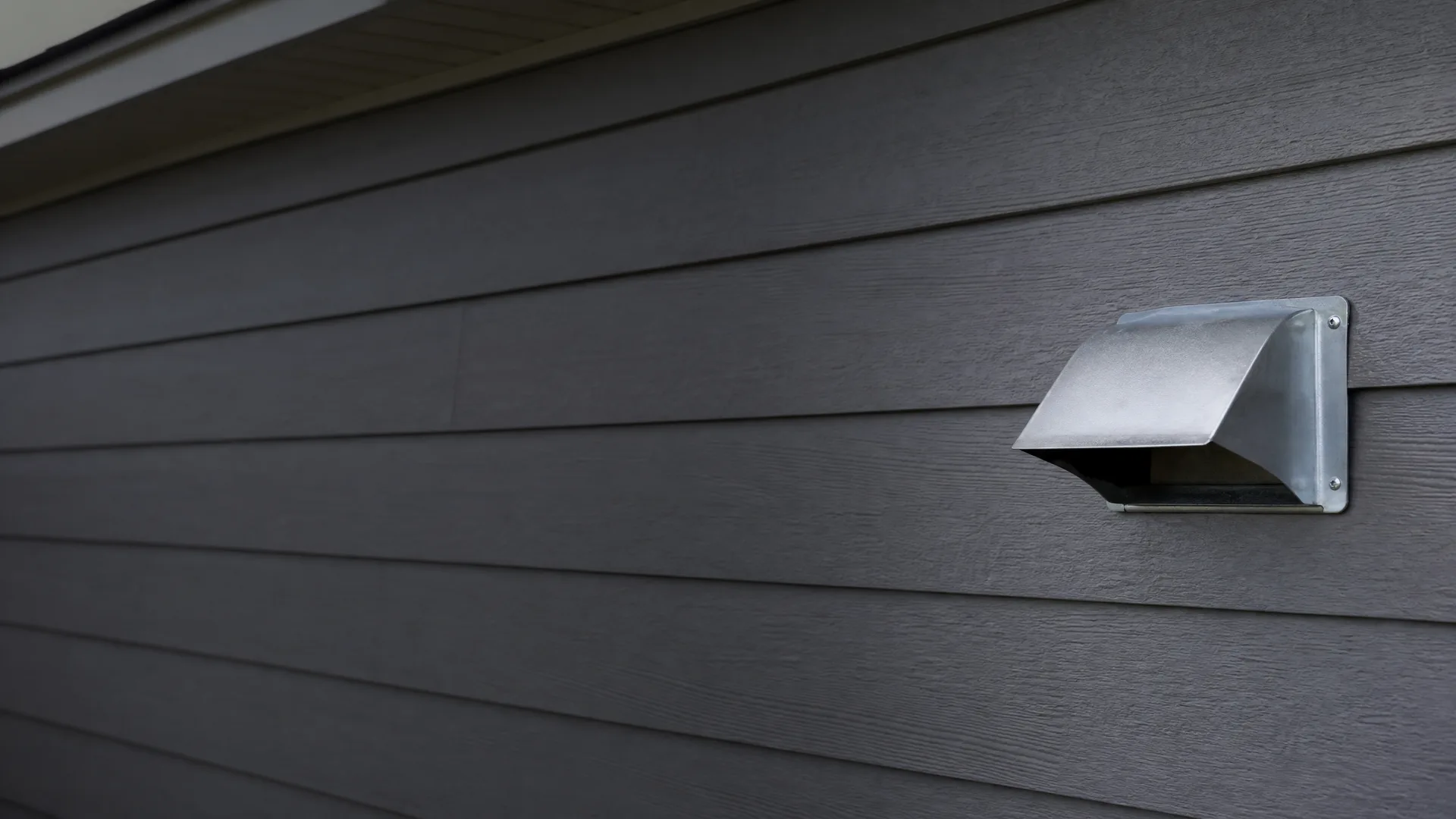
Let someone else find the pro
Fill out one short form instead of calling around.