

Why your laundry room gets so hot in New Jersey

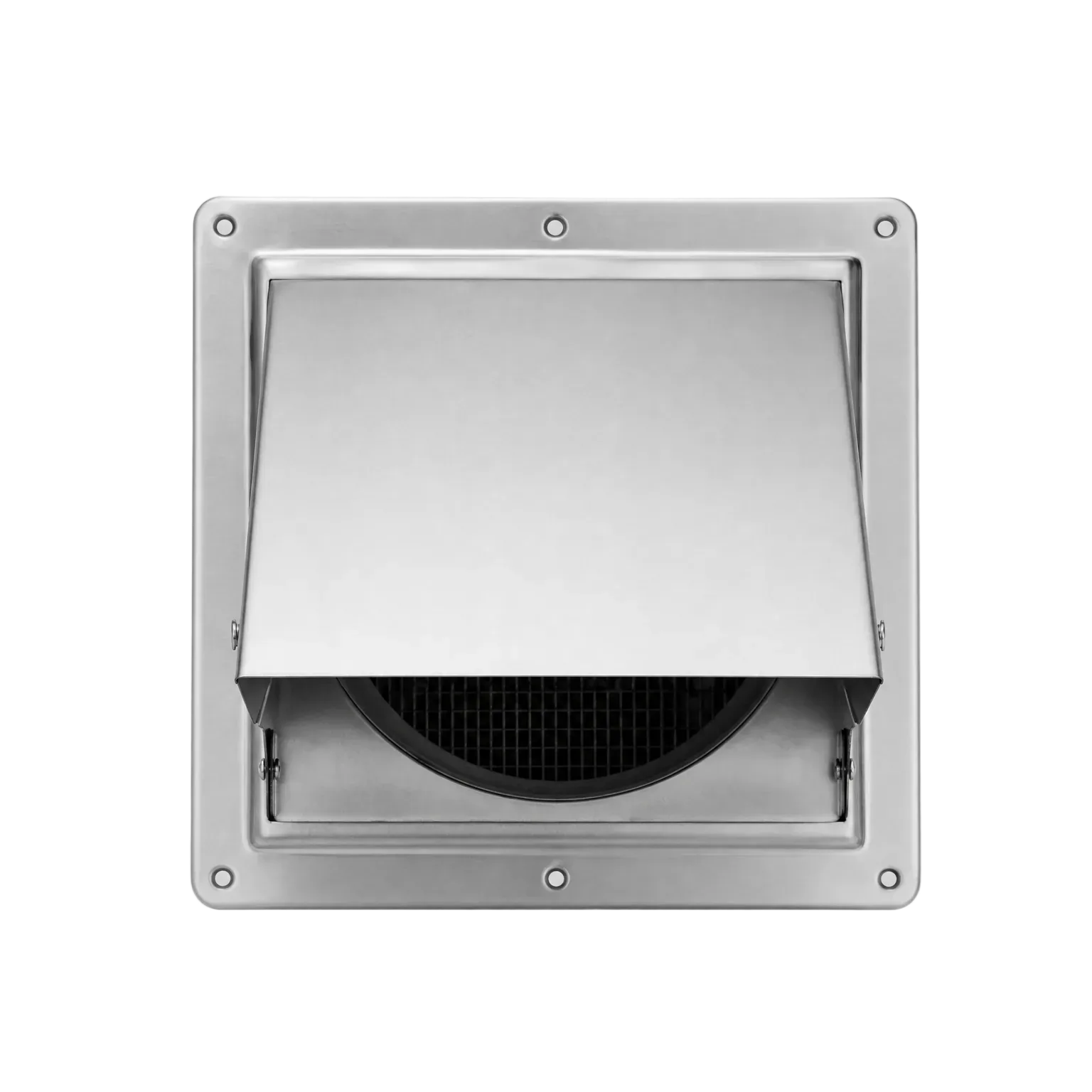
A square stainless steel wall vent hood with a hinged flap cover and a round mesh-screened duct opening, shown centered against a plain light gray background.
Hand it off

Why does my laundry room get so hot when the dryer's running?

You run a load on a humid evening and by the time the buzzer goes off, the laundry room feels like a sauna. The door's closed, the dryer's been going for an hour, and the heat has nowhere to go. It's worse in July and August when the air outside is already thick, but you've noticed it other times too, and you're trying to figure out if this is just how dryers are or if something's wrong.

A clogged vent is pushing the dryer's heat into the room instead of outside

A dryer is supposed to send its hot, damp air straight outside through the vent. When that vent is packed with lint, the air backs up and spills into the room around the machine instead. In a New Jersey summer, with the air outside already heavy, that trapped heat has no easy way to leave, so the laundry room holds onto it long after the cycle ends. A clean vent lets the heat go where it's supposed to go, out of the house, not into it. If the room stays hot well after you've pulled the clothes out, or the dryer itself feels hot to the touch, the vent is the first thing worth checking before you assume it's just the weather.


A white hooded dryer vent with a louvered grille screwed to beige horizontal lap siding above a lighter foundation wall.
A clear vent lets hot, damp air leave the house fast, so the laundry room cools back down once the dryer stops.
A wall-mounted plastic dryer vent hood on light-colored horizontal vinyl siding, clogged with lint and debris hanging from its opening, above a gray painted foundation.
A vent packed with lint and nesting material traps that heat inside, which is why the room stays hot and sticky long after the buzzer.
A smiling bearded man in a dark green hooded jacket and blue t-shirt sits on a couch in a living room with shelves, a potted plant, and a bowl of popcorn on a wooden table.
A smiling man in a green long-sleeved shirt sits on a beige sofa in a living room, with a bowl of popcorn in the foreground, a large potted plant and shelving behind him.
A smiling man in a dark blue T-shirt sits on a couch in a dimly lit living room with a bowl of popcorn and a remote on a wooden table, a lit floor lamp and bookshelves behind him, and windows showing greenery.
A smiling bearded man in a dark green long-sleeved shirt sits on a leather couch in a living room, with a bowl of popcorn and a remote control on a wooden table in the foreground.

Clogged Vent or Clear Vent

Clogged vent

  • Lint packed into the vent line blocks airflow, so the hot, humid air the dryer makes has nowhere to go but back into the room.
  • A dryer fighting a clogged vent runs longer to dry the same load, which means more heat pumped into the laundry room every cycle.
  • Lint traps moisture along with heat, so the room stays warm and damp well after the dryer shuts off.
  • A gas dryer venting poorly can also push combustion byproducts back toward the room instead of outside.
  • On a muggy New Jersey evening, a blocked vent adds the dryer's trapped heat on top of the humidity already in the air.
  • Running a dryer harder against a clog adds to a power bill that's already among the highest in the country.

Clear vent

  • A clear vent line carries hot, damp air straight outside, so it never has the chance to build up in the laundry room.
  • The dryer reaches the temperature it needs and shuts the cycle off on schedule instead of running extra time to compensate.
  • Less heat means the room cools back down quickly once the load is done, even on a sticky summer night.
  • A gas dryer venting cleanly sends its exhaust outside where it belongs, not back toward where you're standing.
  • Shorter cycles mean less strain on the dryer and a smaller draw on electricity use at home.
  • Checking the vent is the kind of thing worth doing before summer humidity sets in, not after the room's already hot.
A metal hooded dryer or exhaust vent mounted with screws on gray horizontal lap siding, beside a plain off-white wall surface.

Where that hot air is supposed to go

A dryer vent runs from the back of the machine to a hood on the outside wall, usually only a few feet. That short run is what carries the heat and moisture out of the house. When it's clear, the air makes that trip in seconds. When lint has built up along the way, the same air backs up and pushes out around the door and seams of the dryer instead, right into the room you're standing in.

A white metal hooded exterior vent screwed to a square backing plate on light gray horizontal lap siding, with a blank off-white wall filling the left half of the frame.

Why summer makes it worse

New Jersey summers already run humid, so the air in that room is holding more moisture to start. A dryer pushing against a clogged vent adds its own heat and moisture on top of that, with nowhere for either to go. Gas dryers add combustion exhaust to the mix as well, so a blocked vent on a gas unit is pushing out more than a blocked vent on an electric one, for the same load of laundry.

Power costs 22.48 cents per kilowatt-hour statewide

A clogged vent makes your dryer run longer to finish the same load, and every extra minute is heat your laundry room has to hold. At 22.48 cents per kilowatt-hour, that extra run time shows up on your bill too.

EIA-861 2025 statewide residential average

  1. Wet clothes release heat and moisture as the dryer tumbles them.

  2. A blower pushes that hot, damp air into the vent line.

  3. Lint clinging to the duct walls narrows the path the air can take.

  4. Trapped heat backs up through the line into the laundry room.

A woman in a dark gray sweater reclines on a couch with her eyes closed and a knit blanket over her lap, an open book resting face-down in front of her, with a lit table lamp and shelving blurred in the background.
A bearded man in a dark navy sweater over a collared shirt smiles and looks off to the side while seated at a dinner table with a glass of red wine, a lit candle, and a plate of food in the foreground of a dimly lit room.

One request and it's handed off

Your dryer vent cleaning request goes to one local pro.

There's no charge for the request.

What this means for your house

  • A laundry room with no window or return vent holds that trapped heat longer than any other room in the house.
  • Summer humidity already pushes moisture into the air, so a clogged vent adds dryer heat on top of what the room can't shed on its own.
  • A dryer working against a blocked vent runs hotter, and that heat radiates off the machine into the walls and floor around it.
  • If the laundry room sits near a gas water heater or furnace closet, the extra heat has even less room to spread out.
  • Running the dryer in the evening after a hot day means the room starts out warm before the dryer adds anything to it.
  • A vent that stays clogged keeps pushing heat and moisture into the same space, load after load, with no chance for the room to recover between them.

Most laundry rooms are small, closed off, and built without much thought to airflow. That's fine when the vent is clear, because the heat leaves almost as fast as the dryer makes it. It stops being fine once lint narrows the line. The room has no window to crack and no return vent pulling air back to the rest of the house, so whatever heat the dryer puts out just sits there. If your laundry room backs up to a gas water heater or shares a closet with the furnace, you're already starting with less room for that heat to spread into, and a clogged vent adds to a space that was tight to begin with. Timing makes it worse. A load run at seven or eight at night, after a muggy day has already warmed the house, starts from a higher baseline than a load run in the morning. None of this resets on its own. Each time you dry a load through a blocked vent, the room heats up, holds onto some of that heat and moisture, and starts the next load a little warmer than the last. Over a summer of regular laundry, that adds up to a room that never really cools back down between loads, no matter how high you've got the air conditioning working in the rest of the house.


A white plastic hooded dryer vent with a louvered grille mounted on horizontal vinyl siding above a textured concrete foundation wall.
Before you get your dryer vent cleaning
A white plastic hooded dryer vent with a mesh screen, fastened by four screws to beige horizontal lap siding above a concrete foundation wall.
After you get your dryer vent cleaning

With a clogged vent

Every load runs long, the laundry room holds the heat, and that extra run time shows up on your electric bill in July and August.

Find a licensed dryer vent pro

With a clear vent

The dryer finishes on time, the hot air leaves through the vent hood outside, and the room cools back down once the buzzer goes off.

Find a licensed dryer vent pro

A hot laundry room comes down to airflow. The vent either carries that heat outside or it doesn't, and a clogged line sends it right back into the room along with a dryer that has to work longer to finish the job. Clearing the line is what fixes it. A local contractor who cleans dryer vents all year in New Jersey has seen what a summer's worth of humidity does to lint buildup in homes like yours, and knows what to check beyond the vent itself, the hood flap outside, the duct joints, the run length, before calling it done. You'll be matched with one contractor, not a handful of companies competing for the job, so you're not stuck fielding calls all week to sort out who actually knows the work. Once that match is made, the search is over. The room will cool back down between loads the way it's supposed to, and the dryer won't be fighting a blocked vent to get your clothes dry.
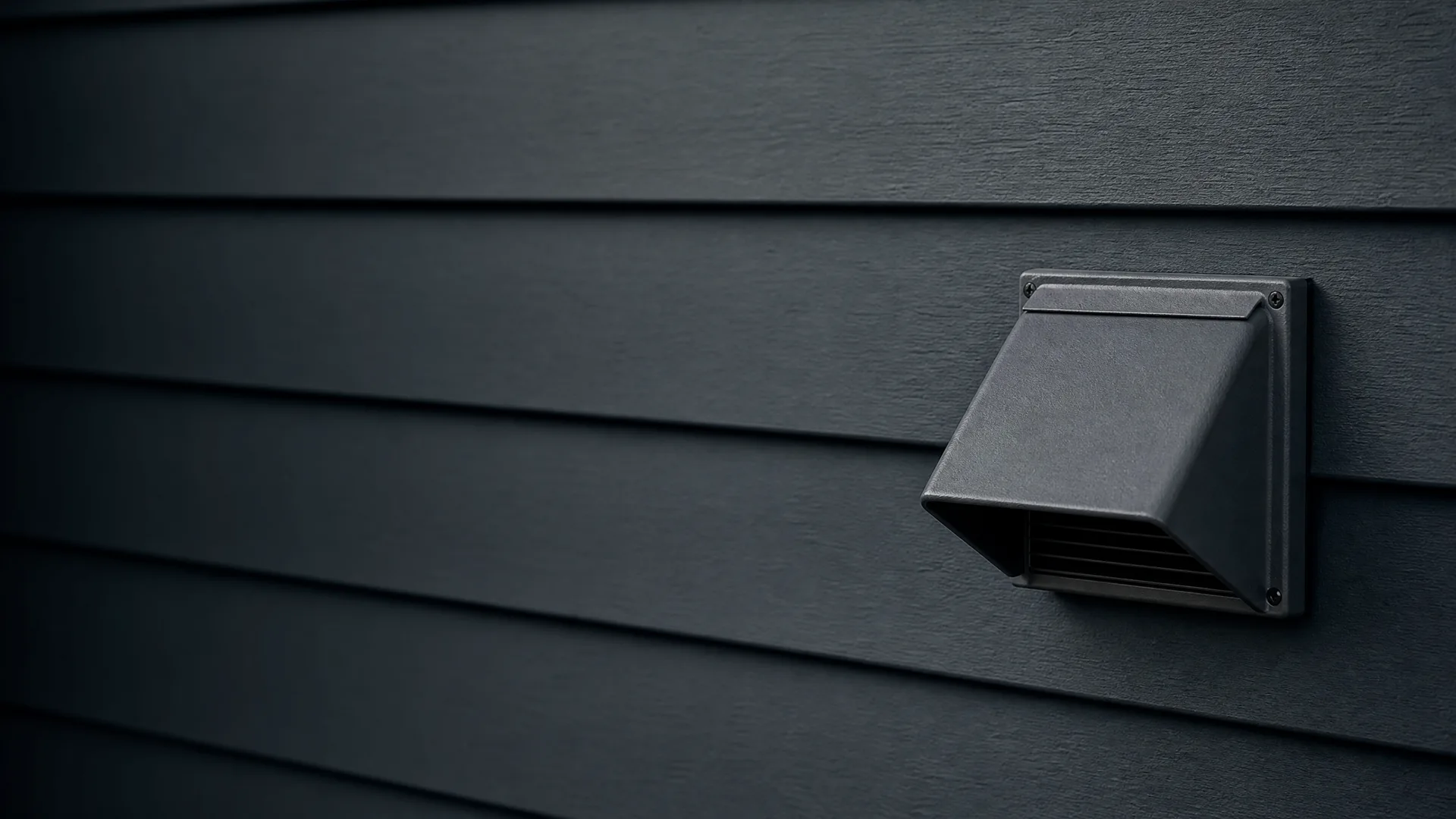
A dark gray hooded exterior vent cover with a louvered opening mounted on dark horizontal lap siding, viewed at a steep angle.

It's off your list after this

The pro who reaches out is licensed in New Jersey.

Duct and vent cleaningNew Jersey
Step 1 of 3

What kind of equipment?