
Clear Vent
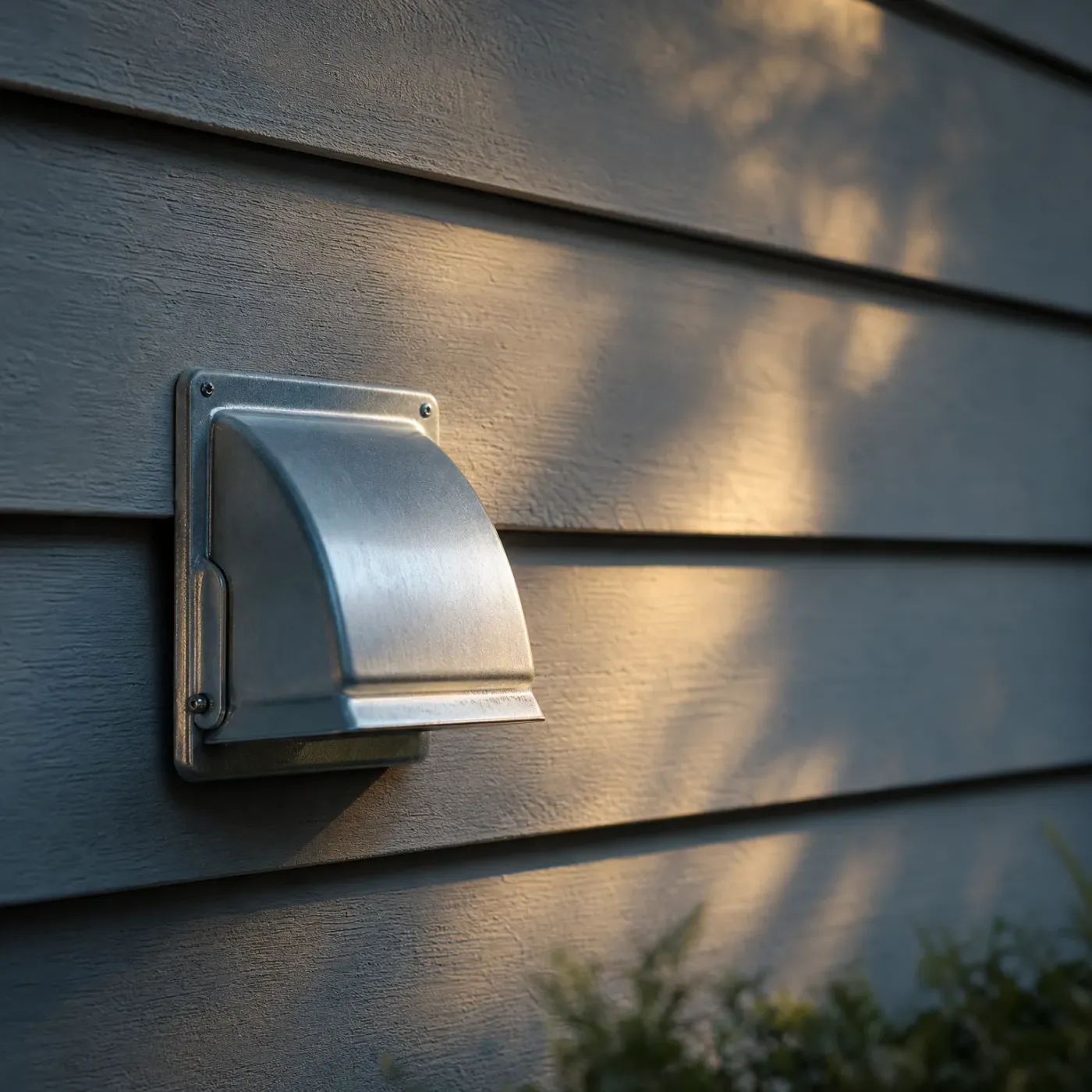
This is what a clear vent looks like. The cap sits open on the siding, the flap moves with the airflow, and the duct behind it stays open. Air and heat leave the house as fast as the drum pushes them out, so the dryer shuts off on time.
A pro who works on dryer vents
A load that used to take forty minutes now runs through two cycles and comes out still damp at the hem. That usually points to the vent, not the machine. Summer humidity here makes it worse, and a blocked vent means the motor runs longer to do the same job, which shows up on a power bill already higher than most states pay. Tell us what's going on and get matched with someone who can take a look.
Match me with a proA dryer that runs long is almost always fighting a clogged vent, not a failing machine. Every cycle pushes hot, wet air through that vent to the outside, and the dryer's sensor keeps the drum turning until the air inside reads dry. Lint builds up along the way, inside the duct, at the bends, at the hood flap outside, and that buildup chokes the airflow. The motor has to work longer to push the same air through a smaller opening, and on a muggy New Jersey afternoon the air it's pulling in is already damp, so it takes even more cycling to finish the job. A clogged vent also means hot air and lint sit inside the duct instead of leaving the house, which is how dryer fires start. None of this means the dryer is broken. It means the vent needs to be cleared out before the next load goes in.
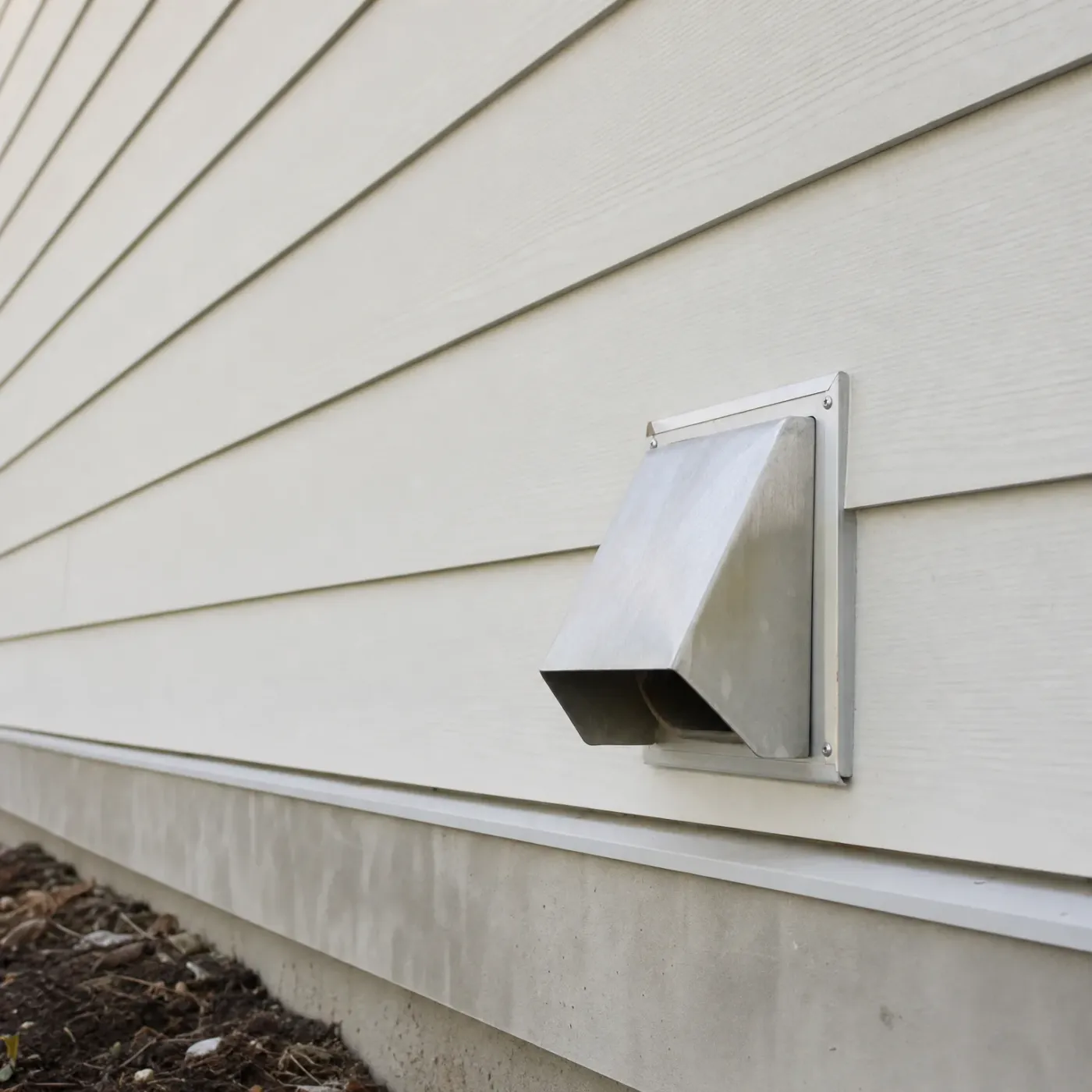
This is what a clear vent looks like. The cap sits open on the siding, the flap moves with the airflow, and the duct behind it stays open. Air and heat leave the house as fast as the drum pushes them out, so the dryer shuts off on time.

Lint has packed in around the hood and across the screen behind it. Air is forced through a smaller gap each load, so the dryer runs longer to push the same wet air out. Left alone, the buildup only gets thicker, and the airflow keeps dropping.

The cap sits open against the siding and the flap hangs loose, ready to swing with the airflow. Every load pushes hot, wet air straight out through it. Nothing slows the dryer down, so it shuts off when the clothes are actually dry.

Lint has packed the opening shut and stained the foundation underneath where it's been building for a while. The flap barely moves. Air backs up into the duct instead of leaving the house, so the dryer keeps running long after the clothes should be done.
Stand near the dryer partway through a cycle and feel the air around it. A vent that's clogged can't carry the heat outside fast enough, so it backs up into the room instead. The door or top panel feels warm to the touch, the room smells like hot lint, and the air can feel heavier than it should, especially once summer humidity is already working against the dryer. Touch the outside cap too. If little or no air is coming through it while the dryer runs, that's the heat staying in your house instead of leaving it. Left alone, that trapped heat and lint buildup is a fire risk, not just a slow cycle.


Send the form and the dryer vent cleaning stops sitting on your list.
A local pro who cleans dryer vents gets in touch with you.
No fee to send it, and nothing to sign.

Lint doesn't build up in a smooth, even layer. It catches on every seam, every elbow, every spot where the duct bends on its way to the outside wall. Once enough has gathered at one of those bends, the rest of the duct starts collecting lint behind it, the way a clog in a pipe backs things up upstream. By the time you notice longer cycles, the blockage is usually well past the first few feet, further than a vacuum hose or a brush from the hardware store can reach.
A contractor who does this work runs a rod the full length of the duct, from the dryer to the wall cap, and clears it in one pass rather than pulling out what a hand tool can reach and calling it done. Once you request that service, a contractor who covers your area gets in touch to look at your setup, your duct run, the bends it makes, the distance to the cap, and work from there. You stop guessing at what's clogged and how far back it goes.


It's almost nine on a Tuesday and you're still in the laundry room. The dryer finished its second cycle ten minutes ago, and the towels on top of it are warm but not dry, heavy in the way wet cotton is heavy. You press the back of your hand to one anyway, hoping you're wrong. Outside it's been sticky for weeks, the kind of August air that doesn't let anything dry fast, and the laundry room holds onto that same thick heat even with the dryer off. You start a third cycle and go find something else to do, because standing here waiting isn't going to change what's coming out of that machine.
At 22.48 cents a kilowatt-hour, you're paying more for power than most of the country. A clogged vent makes the motor and heating element run through extra cycles to finish one load, and that time shows up on the bill right along with the wet towels.
EIA-861 2025 statewide residential average


A dryer that needs two or three extra cycles to finish a load of towels isn't wearing out. It's pushing hot, wet air against lint that's packed into a bend somewhere between the drum and the outside wall. The cap on the siding tells you a lot before anyone opens up the duct. If the flap sits shut or barely moves, air isn't getting out the way it should, and the drum keeps turning past the point where the clothes are already dry. Every extra minute that takes is a minute the motor and heating element are pulling power, and at over 22 cents a kilowatt-hour, that shows up on the bill next to the damp towels. A hand brush and vacuum handle the few feet of duct you can reach from either end, and that's worth doing. It's the lint sitting deeper in the run, caught on a seam or packed into an elbow, that keeps a vent from doing its job no matter how clean the first few feet look. That part takes someone who can get to the whole duct, not just the ends of it. Once that call is made, the job of figuring out who does this kind of work and whether they're any good stops being something you have to sort out. A contractor who handles this reaches out, looks at the actual vent in the actual wall, and the guessing about what's slowing the dryer down ends there.
Send the request and finding a pro stops being your problem.