Dryer taking too long to dry in Hackensack, NJ

Skip searching for someone who cleans dryer vents in Bergen County.

Start one form

Why is my dryer taking forever to dry clothes?

You load the dryer, run it once, and the clothes still come out damp. So you run it again, maybe a third time, and it still takes forever. Before you blame the machine itself, it helps to know what actually makes a dryer slow down, especially with a New Jersey winter pushing cold, dry air through the house and your gas or electric dryer working against a vent system that may not be moving air the way it should.

A clogged vent is almost always why

A dryer dries by pushing hot, damp air out through the vent and pulling in fresh air to heat again. When lint builds up inside that vent, less air moves, so the moisture has nowhere to go and the drum just keeps tumbling warm, wet clothes. This gets worse the longer a vent goes uncleaned, since lint collects a little more with every load. In Bergen County, winter makes it more obvious: cold air entering the house is already dry, and a dryer fighting a blocked vent has to work much harder to push air through, so a load that used to take forty minutes can stretch to an hour or more.

A pile of gray and blue towels sits on top of a white dryer in a dim room with a wall cabinet above and a window to the right.

It's almost nine on a Tuesday and you're still in the laundry room. The second cycle just ended and the towels on top of the dryer are warm but not dry, heavy in your hands the way wet cotton is. Outside it's the kind of damp Bergen County gets most summers, and the little window over the machine has fogged along the bottom edge. You press start again anyway, because the towels need to be dry before tomorrow, and you can hear the drum turning but the air coming off the vent hood outside barely moves. You go back to sit down, and the dryer keeps running, and running.


Why is your dryer running longer than it used to?

  • 2.68 people per household on average

    With 2.68 people in the average Bergen County household, laundry here isn't a once-a-week job. A vent that's partly blocked gets tested load after load.

  • Half the homes here were built by 1960

    Half the homes in Bergen County were built in 1960 or earlier, which means a lot of vent runs were put in decades before anyone was cleaning them on a schedule.

  • Power here costs 24.67 cents per kilowatt-hour

    At 24.67 cents per kilowatt-hour, a dryer that runs two or three cycles to finish one load is costing you more here than it would almost anywhere else.

ACS 2020-2024 · EIA-861 2025

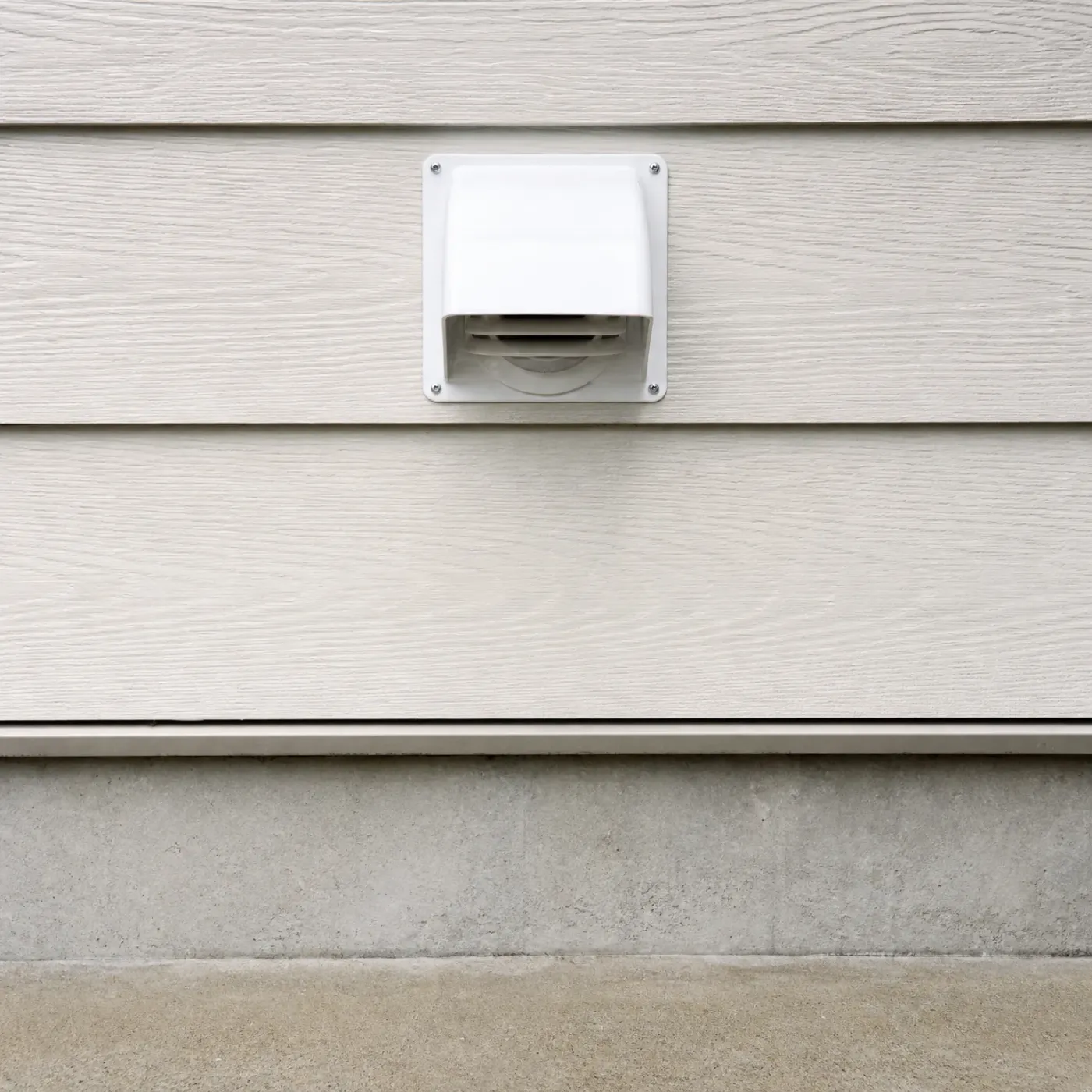
A white hooded dryer vent with a louvered flap mounted on beige horizontal lap siding above a concrete foundation wall.

The flaps open and close with the airflow

This is what a clear vent looks like from outside. The cap sits flush against the siding, the louvers swing open when the dryer runs, and they drop shut when it stops. Air and lint pass through without resistance.

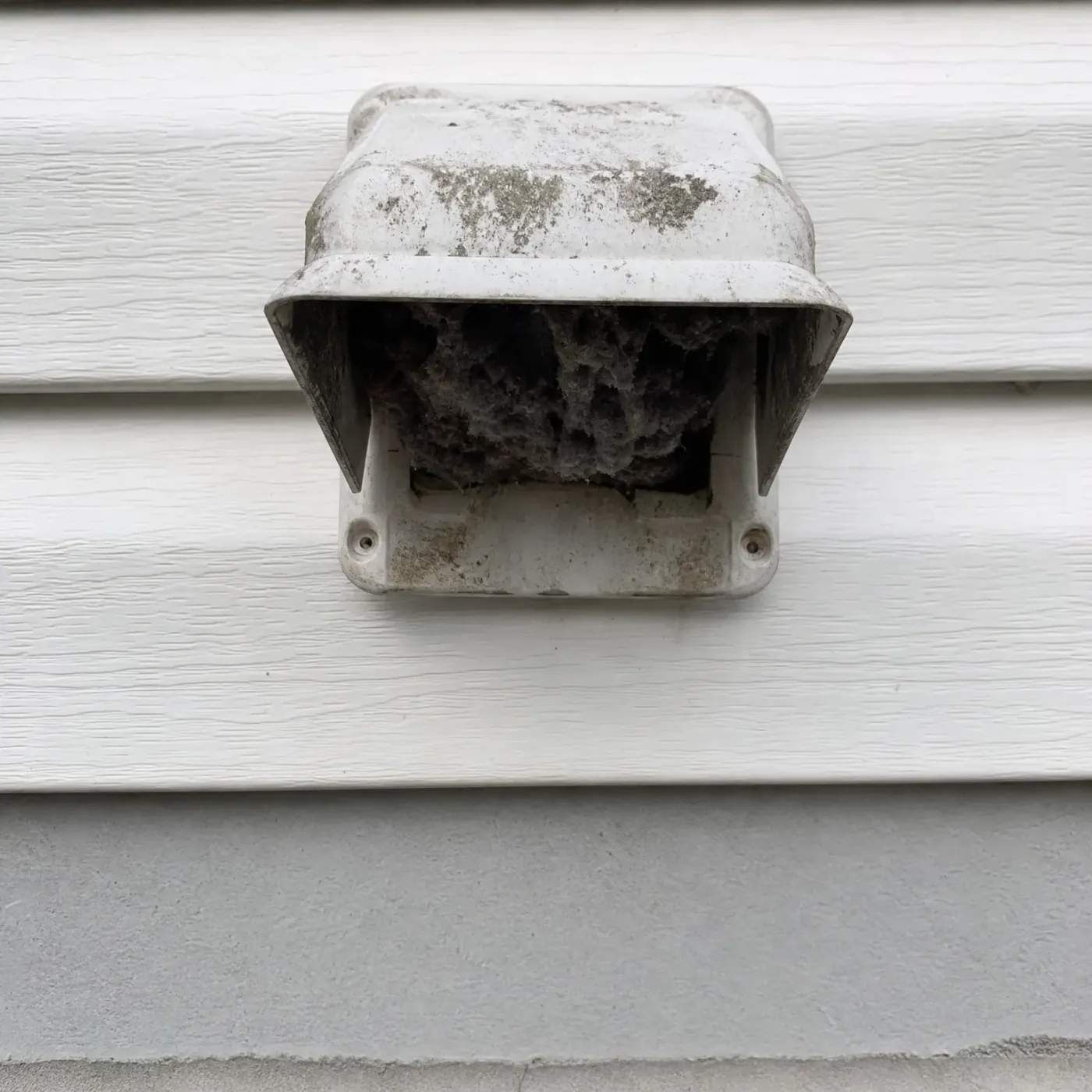
A white plastic dryer vent hood on horizontal lap siding, clogged with thick gray lint and dirt, above a lighter concrete foundation wall.

The flaps barely move anymore

Lint has packed the opening solid, and dirt and mildew have built up on the cap itself. Air has to fight through what's left of the gap. This is what cuts a load short and leaves clothes damp two cycles in.

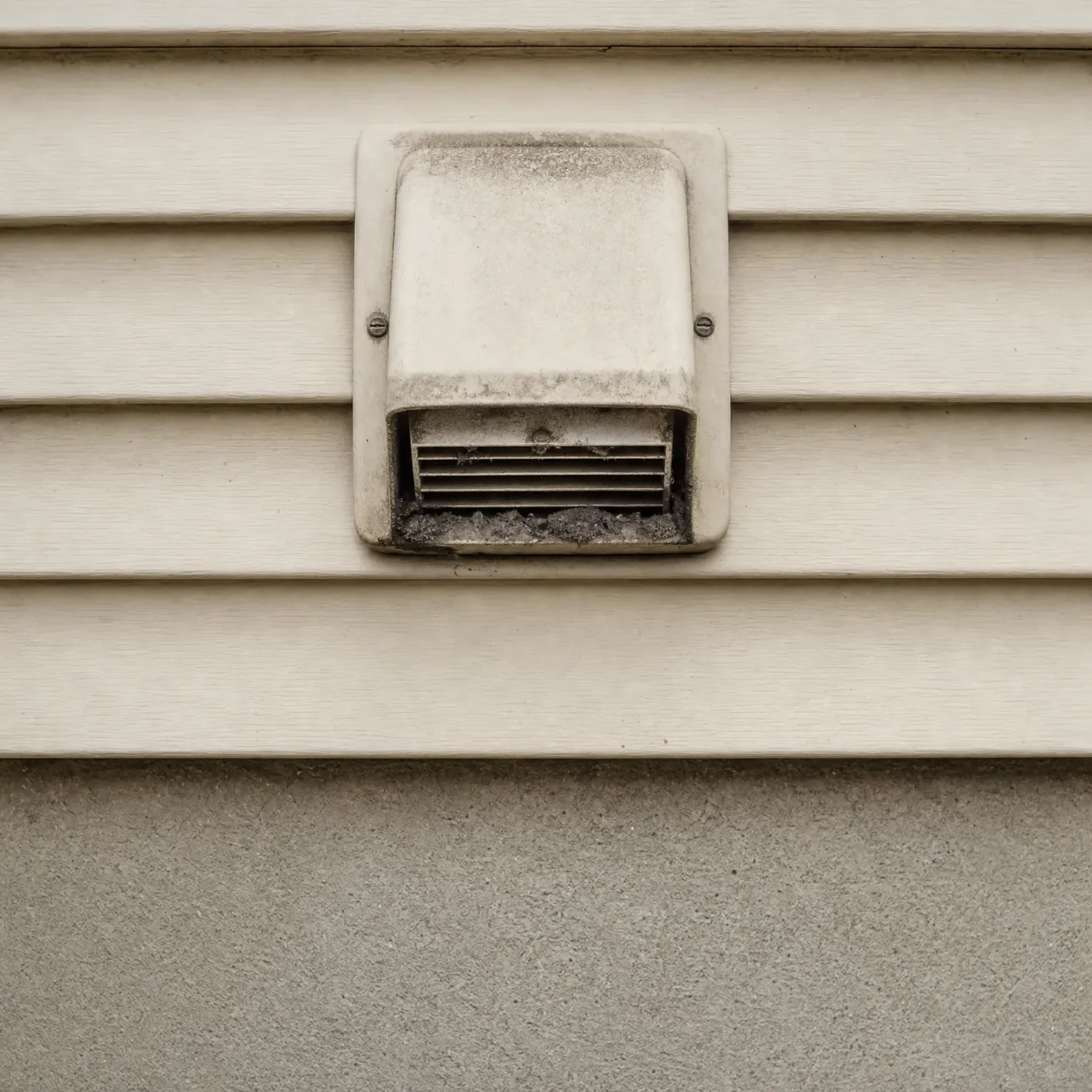
A dusty plastic louvered dryer vent hood screwed into beige horizontal vinyl siding above a gray stucco foundation wall, with lint buildup around the slats.
Before you get your dryer vent cleaning
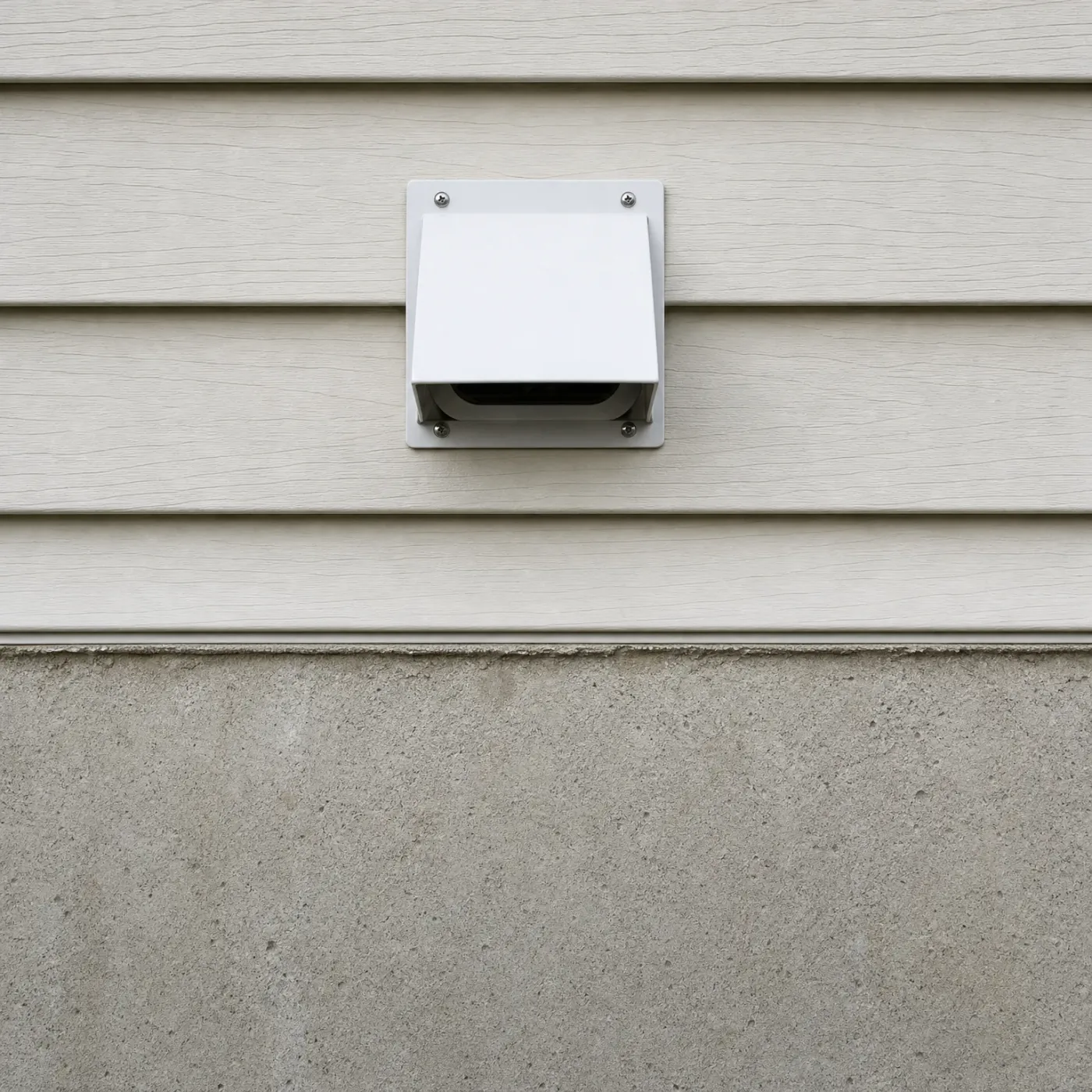
A white hooded dryer vent with a square mounting plate fastened to beige horizontal lap siding above a concrete foundation wall.
After you get your dryer vent cleaning

4 feet of lint a year

A dryer vent collects roughly this much lint annually in a typical home. Once it builds up, the dryer has to push air through a narrowing channel to get clothes dry.

Get a licensed local pro

135 degrees

That's how hot the air inside a blocked vent can get while the outside damper stays nearly shut. The motor and heating element work harder every cycle to reach it.

Get a licensed local pro
A smiling woman in a cream knit sweater sits at a marble counter with a glass of red wine, with a dining table, pendant lights, and French doors in the dim background.
A smiling woman with long dark hair in a cream sweater sits in a dimly lit open-plan home interior, with a glass of red wine in the foreground and a dining table, fireplace and shelving behind her.
A woman with long dark hair in a black turtleneck laughs while seated at a light stone counter with a glass of red wine, in a dimly lit interior with a potted plant, framed pictures and a hanging lamp behind her.
A woman in a dark sweater laughs while seated at a white marble counter with a glass of red wine, in a dimly lit open-plan interior with a pendant lamp and dining table behind her.

Skip the search

A licensed pro who works in Bergen County gets your request.

No fee to send it, and nothing to sign.

You keep running the dryer and checking the vent hood yourself, maybe pulling it apart under the sink to look for lint, maybe adding a dryer sheet trick you read about. None of it tells you what's actually blocked or how far down the duct it runs.

A technician who clears vents all over Bergen County runs a brush the full length of the duct and shows you what came out. One visit, one answer, and you know whether the problem was the vent or something else in the dryer.

A smiling bearded man in a dark sweater sits at a dinner table with lit candles, a glass of red wine, and bowls of food, in a dimly lit room with a lamp and houseplant behind him.
A woman with dark hair in a bun sits on a beige sofa under a knit blanket with her eyes closed and an open book in front of her, with a lit lamp and houseplant in the background.
  1. Lint builds up inside the duct with every load you dry.

  2. Airflow narrows, so damp air can't escape the drum.

  3. The dryer runs longer and longer to finish each load.

  4. A technician runs a brush through the full duct run.

A closed laptop and a ceramic mug of dark coffee sit on a wooden table, with a blurred kitchen counter, potted plant, wooden utensils and cutting boards, and a large window in the background.

What a slow dryer is doing to your house

A dryer that runs two or three cycles to finish one load is putting out heat and moisture the whole time. That air has to go somewhere. If the vent is blocked, some of it works back into the laundry room instead of outside, and you'll notice it in a muggy room and a warm dryer that never seems to cool down between loads. Run that long enough and you're paying for electricity or gas that isn't drying anything, just pushing against a duct that can't clear.

Finding someone to look at it is its own chore. You'd be calling around Bergen County, explaining the same thing to each company, waiting on quotes, trying to tell which one actually knows dryer vents and isn't just guessing over the phone. A local contractor who cleans vents every week in homes like yours already knows what usually blocks them and where to look first, so you're not the one diagnosing it before they even show up.

A mug and a small round vase sit on a wooden windowsill beside sheer and heavier curtains, with blurred autumn trees seen through the rain-speckled window and a sofa with cushions and a throw in the foreground.
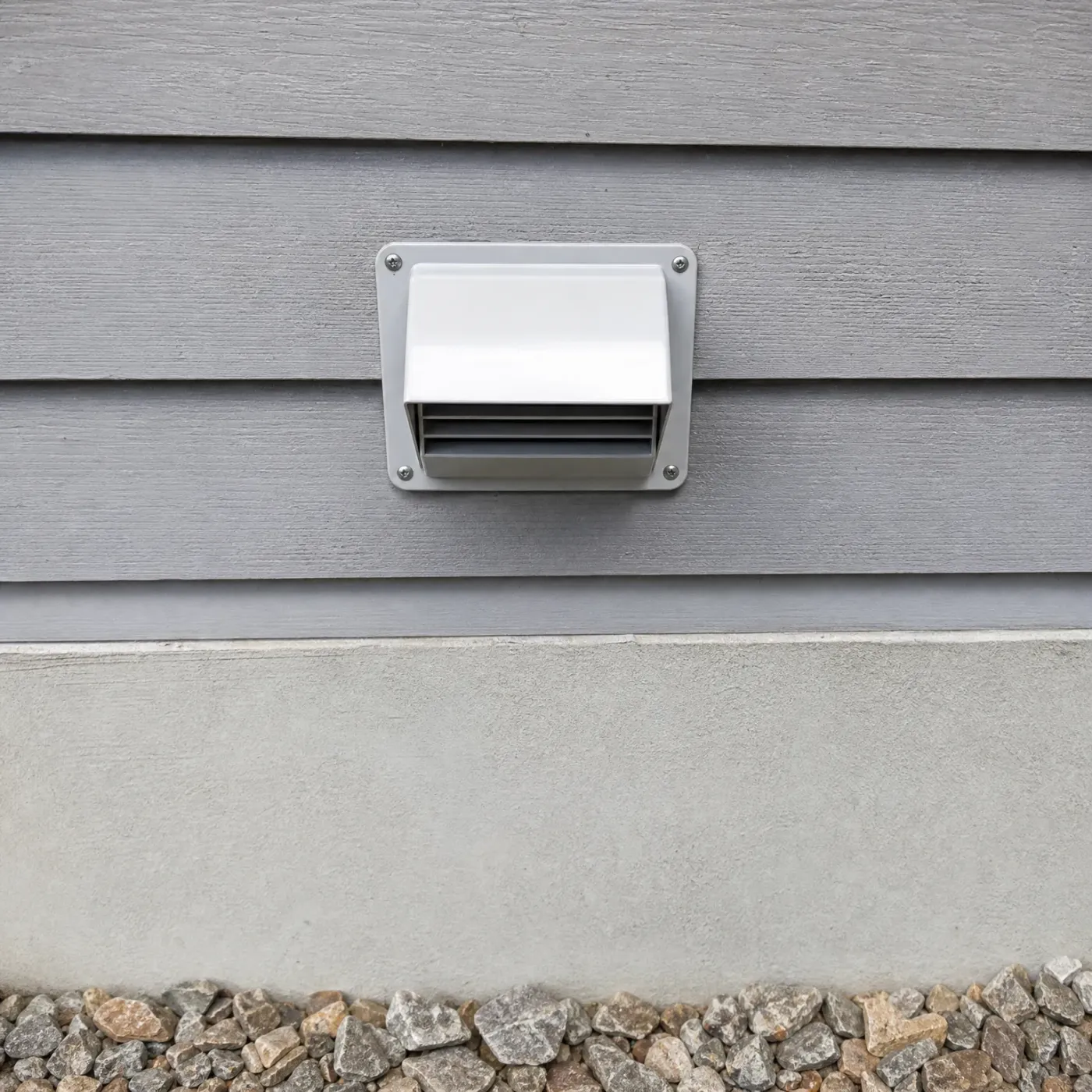
A white hooded louvered vent screwed to gray horizontal lap siding above a concrete foundation wall, with gravel along the ground.

Vent clear and venting

This cap sits flush against the siding above the foundation. The louvers swing open while the dryer runs and drop shut when it stops. Air moves through without a fight, so the drum sheds heat and moisture every cycle instead of holding onto them.

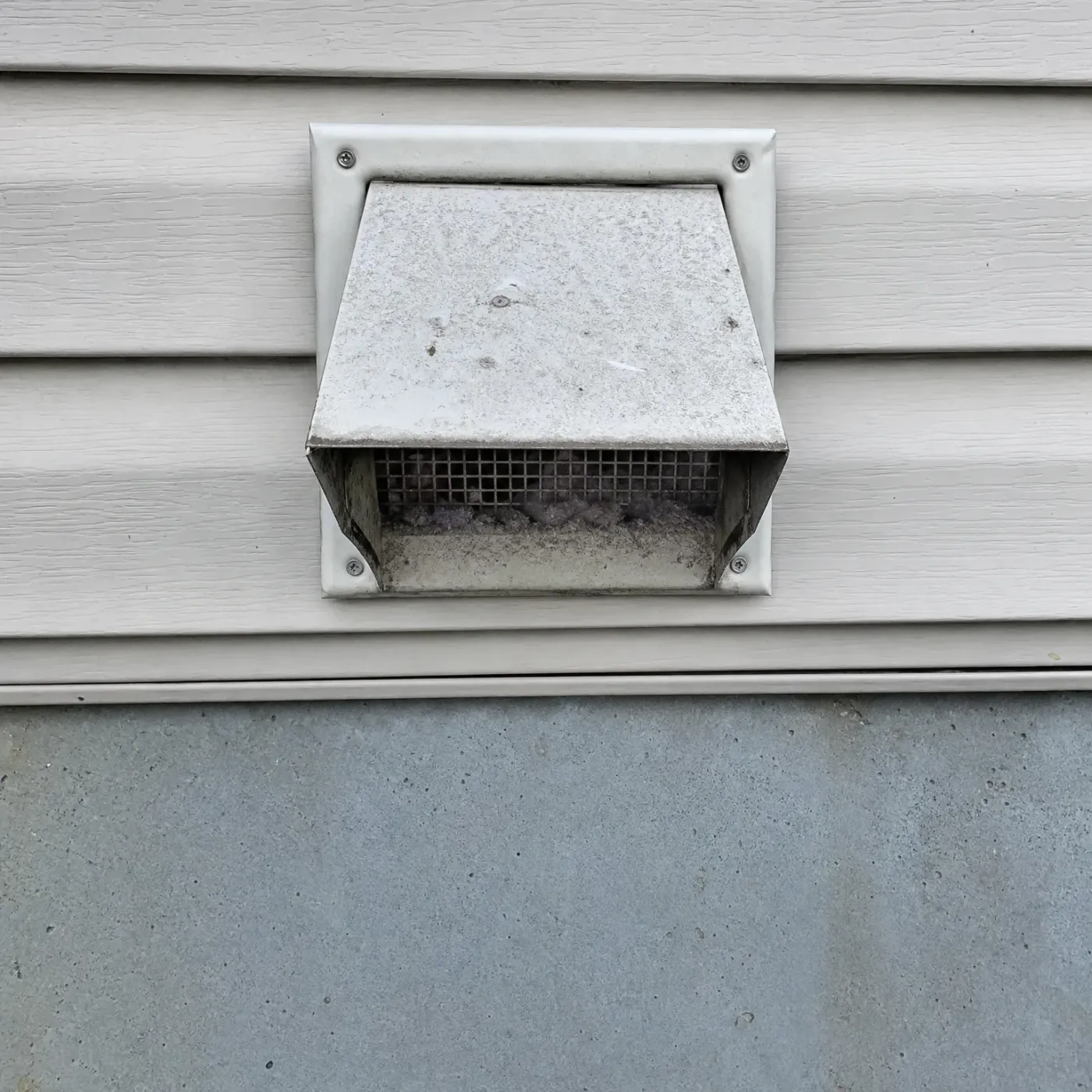
A metal dryer vent hood with a screened opening clogged by gray lint, mounted on light gray horizontal vinyl siding above a concrete foundation wall.

Vent clogged with lint

The cap and the screen behind it are packed with lint, gray and matted across the mesh. Air can barely push past it. The dryer keeps heating and tumbling long after the clothes should be dry, because the moisture has nowhere to go.

What are you noticing about your dryer right now

Feel the top of the dryer partway through a cycle. If it's hot to the touch, or the laundry room itself feels warmer and stickier than the rest of the house, that's heat that should have gone outside through the vent. Check the clothes for a scorched smell, even faint, which means the drum is running hotter than it should to push air through a narrowed duct. Look at the lint trap too. If it's catching less than it used to while the floor around the dryer collects more dust, lint is settling somewhere between the drum and the outside cap instead of making it out. Left alone, that buildup is fuel sitting next to a heat source.

A white hooded dryer vent with a screened opening mounted on beige horizontal lap siding.
A clean cap sits flush against the siding, and the louvers swing open wide while the dryer runs.
A dirt-streaked white plastic dryer vent hood screwed to light gray horizontal lap siding above a concrete foundation wall.
Lint has caked around the flap opening here, so the louvers barely lift and most of the air pushes back instead of out.

2.68 people per household on average

At 2.68 people, your household is doing laundry most days, not once a week. Every one of those loads pushes more lint into the duct, so a vent that's half blocked gets worn down fast, and you feel it as a dryer that keeps running longer to finish the same pile.

ACS 2020-2024

A dryer that needs two or three cycles to finish one load has a blocked vent, and that gets fixed by clearing the duct, not by buying a new dryer. You've seen what the airflow looks like when it's working and what it looks like when it's choked with lint, and you know which one you've got. A technician who services vents around Hackensack all year has pulled lint out of ducts behind siding just like yours and knows where it tends to pack in, whether that's a long horizontal run or a cap with flaps that barely lift anymore. You'll hear from one contractor, licensed to do this work, not a handful of companies competing for your callback. No more running the cycle a third time to see if this one finally gets the towels dry. The vent gets cleared, the air moves the way it's supposed to, and your dryer goes back to doing the job in one pass.

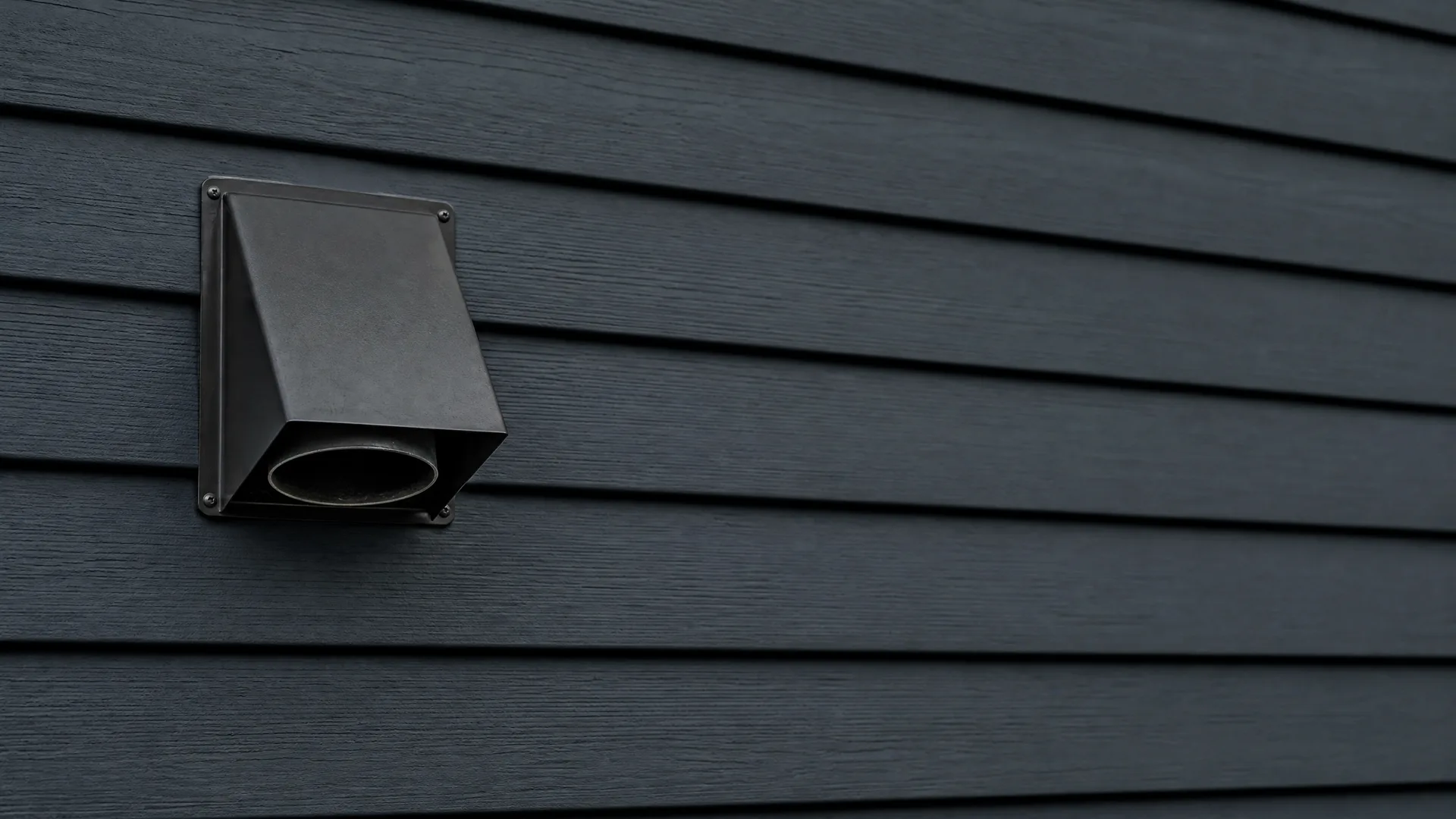
A dark grey hooded vent cover with a round downward-facing opening mounted on a dark grey horizontal lap siding wall.

Explain it one time

The pro who reaches out is licensed in New Jersey.

Duct and vent cleaningBergen County, NJ
Step 1 of 3

What kind of equipment?