
HVAC Installation in Hackensack, NJ
A new system here will heat from October through May and cool from June through August every year. Tell us about the house, and a licensed contractor who covers Bergen County will get in touch.
Tell us about the job
It takes about a minute.
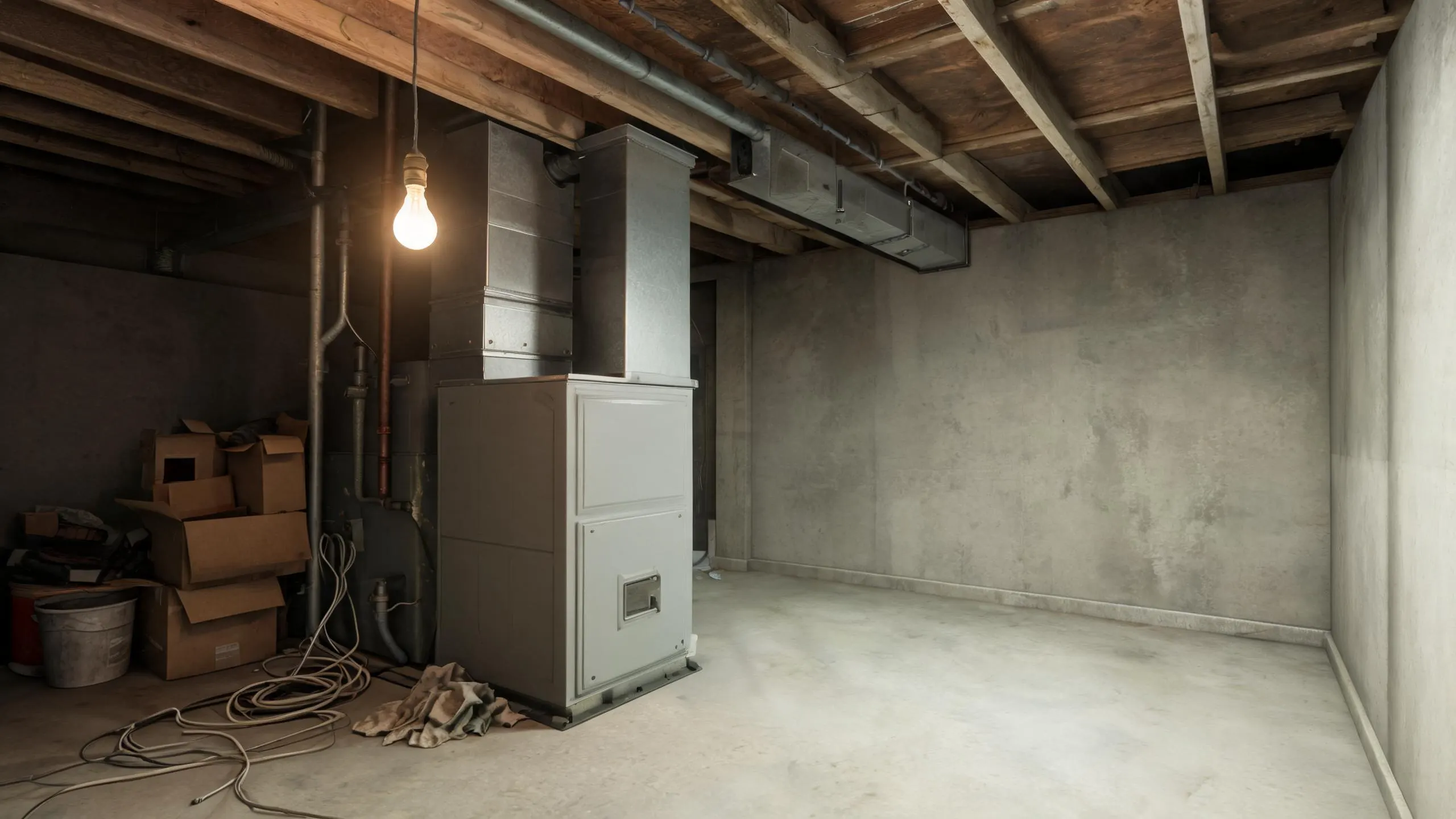
Eleven months a year, one system or the other is running
Hackensack asks a lot out of a heating and cooling system. Winter nights average 25°F from December through February, and homes here need heat from October through May, eight months of the year. Summer afternoons average 84°F, so the same system has to cool well from June through August. Only one month goes by without either running.
Most homes here heat with gas, and whatever replaces that furnace or that air conditioner has to hold up through both ends of the year, not just one. New Jersey has seen its share of winter storms and wind events over the past decade, and 11% of households in the state went at least a day without power last year. A new system should be sized and installed to handle the cold nights and the hot afternoons both, since it will see plenty of each.
- 8 months
- October through May, your system heats
- 3 months
- June through August, it cools
- 25°F
- the average winter night it heats against
- 84°F
- the average summer afternoon it cools against
NOAA nClimDiv, 1991–2020 normals
New Jersey requires HVAC contractors to hold a state license.
The Board tests contractors before it licenses them, and it keeps a record of who holds one. That license belongs to the contractor, not to any single job, and it stays valid across Bergen County and every other town in the state, since New Jersey does not let cities or towns layer their own HVAC license on top of it.
For a heating and cooling installation, that state license is what stands behind the person doing the work. In most cities and counties, the job also needs a permit from the local building office, with an inspection once the work is finished.
Sources: New Jersey Legislature · New Jersey Division of Consumer Affairs
- When should I replace my HVAC system?
- Replace it when repairs start happening every year, or when it can't keep up on the coldest nights or hottest afternoons anymore. Homes here need heat from October through May, eight months of the year, so a furnace that's struggling gets tested hard for a long stretch. If a contractor has already been out more than once this season, that's usually the signal to stop repairing and start planning a replacement. Waiting for a full breakdown on a night when temperatures average 25°F leaves you without heat until someone can get a new system in.
- Should I replace my furnace and air conditioner at the same time?
- If both are old, replacing them together often makes sense, but it depends on the condition of each unit. A furnace and air conditioner installed at the same time are matched to work together, and replacing one alone can mean pairing new equipment with an old coil or old controls that weren't built for it. If your furnace is failing but the air conditioner still has years left, a contractor can tell you whether they need to go together or whether the AC can wait. This is a call a contractor should make after looking at both systems, not something to decide on age alone.
- What happens during an HVAC installation?
- A contractor removes the old furnace and air conditioner, or heat pump, and puts in the new equipment, connecting it to the existing ductwork, gas line or electrical circuit, and the vent or flue. The new system gets tested to make sure it heats and cools correctly and that the thermostat controls it the way it should. In most cities and counties, this work needs a permit from the local building office, and an inspector checks the job once it's done. In New Jersey, that contractor has to hold a state HVAC license, since the state doesn't allow cities to add their own licensing requirement on top of it.